
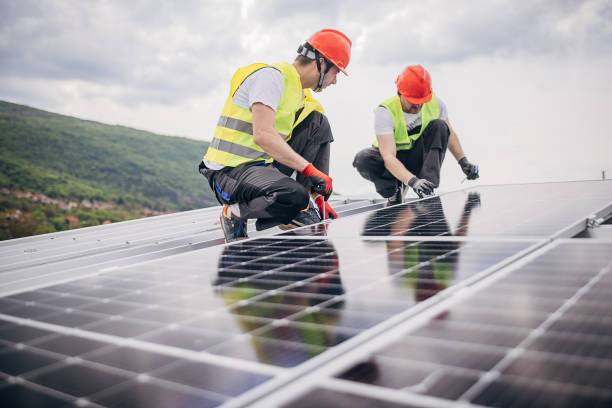
Using solar panels to capture the sun’s rays, solar energy is a renewable source of power. It lessens reliance on fossil fuels by producing heat or electricity with no negative emissions. Solar energy effectively fights climate change and supports the clean energy transition because it is affordable, plentiful, and sustainable.
Here are 10 main uses of solar energy:
- Electricity Generation—Solar panels convert sunlight into electricity for homes, businesses, and industries.
- Water Heating—Solar heaters provide hot water for domestic and industrial purposes.
- Cooking—Solar cookers are used for preparing food without fuel.
- Lighting—Solar lamps, street lights, and garden lights work on solar power.
- Agriculture—Solar pumps help in irrigation by drawing water from wells or rivers.
- Transportation—Solar-powered vehicles like cars, buses, and boats reduce fuel use.
- Communication—Remote areas use solar energy for powering telecom towers.
- Desalination—Solar energy helps convert seawater into drinking water.
- Space Technology—Satellites use solar panels for continuous energy supply.
- Portable Devices – Solar chargers power mobiles, laptops, and batteries.
A solar energy system mainly contains these parts:
- Solar Panels (Photovoltaic Cells)—Convert sunlight into electricity.
- Inverter—Changes Direct Current (DC) into Alternating Current (AC) for home or business use.
- Mounting Structure—Holds the solar panels in place at the right angle.
- Battery (optional) – Stores extra energy for use at night or cloudy times.
- Charge Controller – Protects the battery from overcharging and controls power flow.
- Cables & Wiring – Connects all components and transfers electricity.
- Monitoring System—Tracks performance and energy production.
🌞 Step-by-Step Guide to Start a Solar Energy Business
1. Market Research & Feasibility Study
- Study the demand for solar energy in your region (residential, commercial, industrial, rural).
- Research competitors, pricing models, and government policies.
- cuts, and theIdentify customer pain points: high electricity bills, power cuts, need for green energy.
2. Choose Your Solar Business Model
- Solar Installation Company – Installing panels for homes/offices.
- inverters, andSolar Products Distribution – Selling solar lights, water heaters, inverters, batteries.
- —GeneratingSolar Power Plant (Utility Scale) – Generating electricity and selling to the grid.
- panels, andSolar Leasing/Financing – Customers use panels, you earn monthly.
- the above.Hybrid Model—Combination of above.
3. Legal & Registration Requirements
- Register your business (Private Ltd / LLP / Proprietorship).
- Apply for required licenses & certifications (MNRE – Ministry of New & Renewable Energy in India).
- Get GST registration & PAN.
- Open a current account for transactions.
4. Government Subsidies & Incentives
- Apply for MNRE subsidy schemes (30–70% on installation for residential customers).
- Explore state-level incentives (tax benefits, low-interest loans).
- a partnershipBuild partnership with DISCOMs for net metering approval.
5. Build Supplier & Vendor Network
- structures, andPartner with manufacturers of solar panels, inverters, batteries, mounting structures, wires.
- Maintain quality certifications (IEC, BIS).
- Negotiate bulk purchase discounts.
6. Technical Team & Training
- Hire or train engineers & technicians for installation.
- Provide certification training (NISE, MSME solar training).
- Keep customer support & maintenance staff ready.
7. Infrastructure & Setup
- office and warehouseSmall office + warehouse for stock.
- Tools & equipment for installation (drills, safety gear, testing kits).
- Logistics for product delivery.
8. Finance & Investment Planning
- plants).Estimate startup costs (₹5–20 lakhs for small installation businesses, crores for power plant).
- Arrange funding via bank loans, government schemes, or private investors.
- Keep working capital for 6–12 months.
9. Marketing & Sales Strategy
- website and socialBuild a website + social media presence.
- Promote benefits: “Save up to 70% on electricity bills.”
- Target housing societies, schools, hospitals, offices, and farmers.
- Offer EMI & financing options.
- Partner with real estate developers.
10. Operations & Customer Service
- Offer a free site survey.
- Give customized solar solutions.
- Provide AMC (Annual Maintenance Contract) for recurring income.
- Build referral programs to get more clients.
11. Scale & Growth
- Expand to new cities/towns.
- Add solar products (pumps, heaters, lanterns).
- Start the solar franchise model.
- Enter EPC (Engineering, Procurement, Construction) contracts for large projects.
✅ Conclusion:
Starting a solar business needs planning, government approvals, suppliers, and strong marketing. If you start small with installation/distribution, you can grow into large solar power projects over time.
Solar Energy Business Startup Document
1. Executive Summary
- Introduction to solar energy business
- Vision & Mission statement
- Business objectives (short-term & long-term)
2. Company Overview
- Business name & legal structure (Proprietorship, Partnership, Pvt. Ltd.)
- Location of business
- Founders and management team
- Experience & background
3. Market Analysis
- Current demand for solar energy in India/world
- Target customers (residential, commercial, industrial, govt.)
- Competitor analysis
- Market trends & growth opportunities
4. Products & Services
- Solar panels (manufacturing/distribution/installation)
- Solar water heaters, streetlights, rooftop solutions
- EPC services (Engineering, Procurement, Construction)
- Maintenance & after-sales service
- Consultancy for solar projects
5. Business Model
- Revenue sources (product sales, installation charges, AMC contracts)
- Pricing strategy
- Sales channels (direct, dealers, online, govt. tenders)
6. Legal & Regulatory Requirements
- Company registration
- GST registration
- MNRE (Ministry of New & Renewable Energy) approvals
- Pollution control/NOC (if required)
- Local/state electricity board permissions
7. Operations Plan
- Office setup and workforce planning
- Supplier & vendor management
- Logistics & inventory handling
- Installation & service process workflow
8. Marketing Strategy
- Digital marketing (website, social media, SEO)
- Collaboration with builders, architects, contractors
- Government schemes awareness (subsidy promotions)
- Trade fairs & exhibitions
9. Financial Plan
- Initial investment requirement
- Cost estimation (machinery, office, stock, licenses, staff)
- Revenue projections (3–5 years)
- Break-even analysis
- Profitability forecast
10. Risk Analysis
- Market competition risk
- Government policy changes
- Technology upgrades
- Payment recovery challenges
11. Funding & Support
- Self-investment / bank loan / investors
- Government subsidies & schemes (PM Kusum Yojana, etc.)
- Partnerships with financial institutions for EMI schemes
Problems in Solar Energy Business
- High Initial Investment – Setting up solar panels, batteries, and infrastructure requires a big upfront cost.
- Government Policies & Permits – Frequent changes in subsidy schemes, regulations, and lengthy approval processes can cause delays.
- Land & Space Issues – Large solar farms need a lot of land, which may be expensive or hard to acquire.
- Weather Dependence – Solar energy generation reduces in rainy, cloudy, or winter seasons.
- Energy Storage Costs – Batteries for storing solar power are expensive and need replacement after some years.
- Maintenance Problems – Dust, bird droppings, or technical faults can reduce panel efficiency if not cleaned and maintained regularly.
- Competition – Increasing number of players entering the market may lower profit margins.
- Customer Awareness – Some customers may not fully understand the benefits of solar energy or hesitate due to high upfront cost.
- Technology Obsolescence – Solar technology keeps improving; current systems may become outdated quickly.
- Grid Connectivity Issues – In some areas, connecting to the main power grid is difficult or costly.
Sources of Happiness in Solar Business 🌞
- Purpose & Impact – You’ll feel proud contributing to clean energy and fighting climate change.
- Helping Society – Providing affordable electricity in villages or cities gives satisfaction.
- Financial Freedom – If the business succeeds, the profit brings comfort and security.
- Recognition – People will respect you for working in a future-oriented and sustainable sector.
- Growth Opportunities – The industry is expanding, giving long-term career joy.
- Personal Fulfillment – Running an eco-friendly business aligns with values of responsibility and progress.
- Innovation Excitement – Working with new technology keeps you motivated and curious.
⚖️ But reality check: Happiness also depends on how well you manage risks, handle challenges (like high investment, government policies, or customer trust), and balance work stress.
👉 In short:
If you are passionate about green energy + solving real problems, this business can give you both money and happiness. But if you do it only for profit, stress may reduce joy.
Leave a Reply