


Web Development & Creative Design
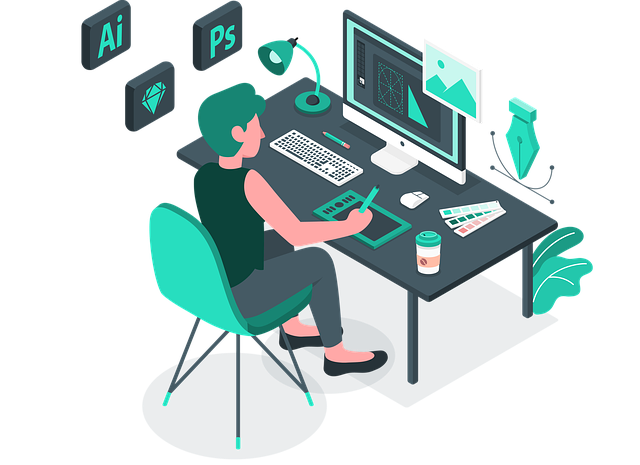
Web Development & Design involves creating visually appealing, responsive, and user-friendly websites. It includes front-end and back-end development, UI/UX design, SEO optimization, security, and performance enhancement, providing businesses a strong online presence and seamless digital experience.
- Here are 10 key uses of Web Development & Design
- Business Promotion – Helps companies showcase products and services online.
- E-commerce Platforms – Enables online shopping and transactions.
- Information Sharing – Provides news, blogs, and educational content.
- Brand Building – Creates a strong online brand identity.
- Customer Engagement – Improves interaction through forms, chat, and feedback.
- Portfolio Display – Showcases personal or professional work.
- Entertainment – Supports websites for games, videos, and streaming.
- Social Networking – Facilitates community and social media platforms.
- Online Services – Offers booking, reservations, and digital services.
- Marketing & SEO – Optimizes websites for search engines and advertising.
The Complete Web Development Roadmap
- Web Development & Design generally contains these main parts:
- Front-End Development – Creating the visual part of a website that users see and interact with (HTML, CSS, JavaScript).
- Back-End Development – Managing the server, database, and application logic that powers the website (e.g., PHP, Python, Node.js).
- Database Management – Storing and organizing website data (e.g., MySQL, MongoDB).
- UI/UX Design – Designing the layout, navigation, and user experience of the website.
- Responsive Design – Making the website look good on all devices (mobile, tablet, desktop).
- Content Management System (CMS) – Tools for managing website content (e.g., WordPress, Joomla).
- Web Security – Protecting the website from hackers and vulnerabilities.
- Performance Optimization – Ensuring fast loading speed and smooth functionality.
- SEO (Search Engine Optimization) – Improving visibility on search engines.
- Testing & Maintenance – Regularly checking for errors, bugs, and updates.
- Here’s a step-by-step, point-to-point guide to starting a Web Development & Design
1. Understand the Market
- Research local and global web development demand.
- Identify your target audience (small businesses, startups, e-commerce, bloggers).
- Analyze competitors and see what services they offer.
2. Learn Required Skills
- Web Development: HTML, CSS, JavaScript, React, Node.js.
- Web Design: UI/UX design, Figma, Adobe XD, Photoshop.
- Additional Skills: SEO, responsive design, CMS (WordPress, Shopify).
3. Define Your Services
- Website design and development
- E-commerce website creation
- Mobile-friendly/responsive websites
- Website maintenance and support
- SEO optimization and speed improvement
- Branding and logo design
4. Create a Business Plan
- Define business goals and target clients.
- Decide pricing strategy (fixed packages or hourly rates).
- Estimate initial investment (tools, software, hosting).
- Plan marketing and promotion methods.
5. Register Your Business
- Choose a business name.
- Register legally (LLC, partnership, or sole proprietorship depending on country).
- Open a business bank account.
6. Set Up Your Workspace
- Home office or small office space.
- Laptop/computer, high-speed internet, design software, hosting platforms.
7. Build Your Own Portfolio
- Create a professional website showcasing your skills and services.
- Include sample projects, case studies, testimonials.
- Make your site mobile-friendly and SEO-optimized.
8. Get Clients
- Start with freelancing platforms: Upwork, Fiverr, Freelancer.
- Network with small businesses, startups, and entrepreneurs.
- Offer free trials or discounted projects initially for portfolio growth.
9. Marketing & Branding
- Social media marketing (LinkedIn, Instagram, Facebook).
- Content marketing: blogs, tutorials, guides.
- Paid ads (Google Ads, Facebook Ads) for targeted reach.
- Attend local business events or webinars for networking.
10. Deliver & Maintain Quality
- Communicate clearly with clients about timelines and revisions.
- Ensure websites are fast, responsive, and secure.
- Offer maintenance packages to retain long-term clients.
11. Scale Your Business
- Hire additional developers/designers as demand grows.
- Expand services to app development, digital marketing, or branding.
- Partner with agencies for bigger projects.
Here’s a clear, point-by-point startup document outline for a Web Development & Design
1. Business Overview
- Business Name: [Your Company Name]
- Business Type: Web Development & Design
- Mission Statement: Provide modern, responsive, and user-friendly websites for businesses and individuals.
- Vision: Become a trusted partner for digital transformation by delivering innovative web solutions.
2. Services Offered
- Website Design (UI/UX design)
- Front-end Development (HTML, CSS, JavaScript)
- Back-end Development (PHP, Node.js, Python)
- E-commerce Website Development
- Website Maintenance & Support
- SEO Optimization & Digital Marketing Integration
- Mobile-Responsive Design
3. Market Analysis
- Target Audience: Small businesses, startups, e-commerce entrepreneurs, freelancers.
- Market Trends: Increasing demand for mobile-friendly and SEO-optimized websites.
- Competitors: List local and online competitors with their strengths/weaknesses.
4. Marketing Strategy
- Online advertising (Google Ads, Social Media)
- Portfolio showcase on website
- Networking with local businesses
- Offering free initial consultation
- Referral programs and discounts
5. Operational Plan
- Team Members: Designers, developers, project managers
- Tools & Software: WordPress, Shopify, Figma, Adobe XD, VS Code
- Work Process: Requirement gathering → Design → Development → Testing → Deployment → Support
6. Financial Plan
- Startup Costs: Computers, software licenses, website hosting, marketing
- Revenue Streams: Project-based fees, subscription services, maintenance packages
- Pricing Strategy: Competitive pricing based on project complexity
7. Legal & Administrative Requirements
- Business registration
- GST/PAN registration (if in India)
- Client contracts & service agreements
- Data protection compliance
8. Future Goals
- Expand to mobile app development
- Offer complete digital solutions including SEO & digital marketing
- Build a team of 10+ professionals in the next 2 years
- Here are some problems that can arise in the Web Development & Design
- Client Miscommunication – Clients may have unclear requirements, leading to misunderstandings.
- Scope Creep – Projects can expand beyond the original plan, causing delays and extra costs.
- Technical Issues – Bugs, server problems, or compatibility issues can affect project delivery.
- Design Revisions – Frequent changes from clients can slow down progress and reduce efficiency.
- Competition – The web development market is highly competitive, making it hard to attract clients.
- Payment Delays – Clients may delay payments, affecting cash flow.
- Skill Gaps – New technologies evolve quickly; staying updated is challenging.
- Time Management – Multiple projects at once can create stress and missed deadlines.
- Security Risks – Websites can be vulnerable to hacking, malware, or data breaches.
- Market Demand Fluctuation – Demand may vary, affecting consistent income.
- The happiness you get from a Web Development & Design business depends on a few personal and professional factors. Here’s a detailed view:
- Creative Satisfaction – You get happiness from designing websites, solving problems, and making things visually appealing. If you enjoy creativity, this is very fulfilling.
- Learning & Growth – Web development constantly evolves. Mastering new technologies and seeing your skills improve brings a sense of accomplishment.
- Helping Others – Building websites for businesses or individuals and seeing them succeed gives satisfaction and pride.
- Financial Reward – If your business grows and you earn a good income, financial stability increases your happiness.
- Flexibility & Freedom – You can work on your own schedule or choose projects you love, which adds to personal satisfaction.
- Stress Factor – Meeting client deadlines, handling errors, or competition can cause stress. Happiness is balanced by how you manage these challenges.
✅ Overall: If you enjoy technology, design, problem-solving, and helping businesses, this field can give high happiness through creativity, learning, and achievement—but managing stress and client expectations is key.
Leave a Reply