

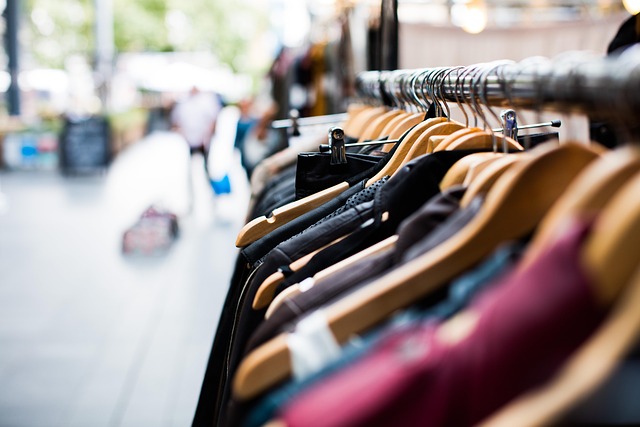
Fashion & Apparel e-commerce provides customers with a large selection of styles, convenient browsing, and doorstep delivery for apparel, accessories, and footwear. In order to help brands reach international markets while guaranteeing convenience, quality, and customer satisfaction, it places a strong emphasis on trends, personalization, and competitive pricing.
Here’s a step-by-step syllabus for starting a Fashion & Apparel E-Commerce Business in Low Budget:
1. Business Foundation
- Identify niche (casual wear, ethnic wear, sportswear, kidswear, etc.).
- Research target audience (age, gender, budget, style preference).
- Study competitors and their pricing strategies.
2. Product Sourcing
- Start with low inventory model (reselling, dropshipping, print-on-demand).
- Connect with local wholesalers, small manufacturers, or artisans.
- Negotiate for small bulk orders to save cost.
3. Branding & Identity
- Choose a unique brand name and design a simple logo (use free tools like Canva).
- Decide brand tone: trendy, affordable, premium, or eco-friendly.
- Create attractive packaging (can be minimal at start).
4. Legal Setup
- Register small business (GST in India, sole proprietorship to start).
- Open a business bank account and payment gateway.
- Draft basic policies (return, refund, shipping).
5. Online Store Setup
- Use budget-friendly platforms (Shopify basic plan, WooCommerce on WordPress, or Meesho for reselling).
- Buy low-cost domain & hosting.
- Add simple design with clear product photos & descriptions.
6. Product Photography & Catalog
- Use a smartphone with good lighting.
- Showcase multiple angles of products.
- Write short, clear, keyword-rich descriptions.
7. Marketing & Promotion
- Start with social media marketing (Instagram, Facebook, Pinterest).
- Use Reels, short videos, and styling tips to attract audience.
- Collaborate with micro-influencers instead of big influencers.
- Use free tools (Canva, CapCut) for creatives.
8. Customer Engagement
- Offer discounts for first buyers.
- Collect reviews and testimonials.
- Provide quick responses via WhatsApp or Messenger.
9. Operations & Logistics
- Partner with low-cost courier services (Shiprocket, Delhivery, India Post).
- Offer Cash on Delivery (COD) option to gain trust.
- Track inventory manually in beginning (Excel/Google Sheets).
10. Growth & Scaling
- Reinvest profits into better website, ads, and product variety.
- Explore Amazon, Flipkart, Myntra seller programs.
- Gradually invest in paid ads (Facebook & Google).
- Introduce loyalty programs and seasonal offers.
👉 This is a low-budget syllabus designed to help you start small, validate your idea, and then grow step by step.
Here’s a list of required documents for starting a Fashion & Apparel E-Commerce Business (India-focused, but most apply globally):
1. Business Registration
- Private Limited / LLP / Proprietorship registration certificate
- Partnership deed (if applicable)
2. Tax & Compliance
- PAN card (business or proprietor)
- GST registration certificate (mandatory if turnover > 40 lakhs, or for interstate sales)
3. Banking
- Business current account
- Cancelled cheque (for payment gateways, marketplaces, etc.)
4. Legal Licenses
- Shop & Establishment license (depending on state laws)
- Trade license from local municipal authority
- Udyam / MSME registration (for benefits & subsidies, optional but useful)
5. Intellectual Property
- Trademark registration (brand name & logo protection)
6. E-Commerce & Digital
- Domain registration & hosting documents
- Payment gateway agreements (Razorpay, PayU, Paytm, etc.)
7. Product Related
- Vendor agreements / purchase invoices (for sourcing)
- Import Export Code (IEC) (if importing/exporting fashion products)
- Quality certificates / labeling compliance (if required)
8. Policies & Customer Trust
- Privacy policy
- Return & refund policy
- Terms & conditions
Here’s a structured Fashion & Apparel E-Commerce Supplier List that you can use to find reliable sources for your products:
🧵 Fashion & Apparel Supplier List
1. Wholesale Clothing Suppliers
- Alanic Clothing – Activewear, fitness wear, custom clothing.
- Bloom Wholesale – Women’s fashion, plus-size, Los Angeles based.
- Tasha Apparel – Trendy wholesale clothing at bulk prices.
- CC Wholesale Clothing – Women’s, men’s, and kids’ apparel.
2. Dropshipping Suppliers
- Printful – Print-on-demand fashion, t-shirts, hoodies, custom designs.
- Spocket – US & EU based clothing dropshipping suppliers.
- Trendsi – Women’s apparel dropshipping with branding support.
- DSers (AliExpress) – Global fashion products with wide variety.
3. Luxury & Designer Wholesale
- BrandsGateway – Luxury clothing & accessories wholesale.
- J5 Fashion – UK-based supplier for stylish apparel.
- Parisian Wholesale – Fashion-forward women’s wear.
4. Indian Fashion Suppliers (Great for ethnic wear & global export)
- Indiamart – Large network of fashion manufacturers & wholesalers.
- Textile Export – Sarees, kurtis, lehengas, ethnic wear.
- WholesaleBox – Women’s clothing, men’s wear, kids’ wear, footwear.
- B2B GRIFFATI – International branded clothing.
5. Fabric & Raw Material Suppliers
- Fabriclore – Fabrics for custom fashion designs.
- Mood Fabrics – Premium fabric supplier.
- TradeIndia – Textile manufacturers & raw material suppliers.
⚡ Pro Tip:
- If you want low budget startup, start with dropshipping suppliers (like Printful, Trendsi, or Spocket).
- If you want to build your own fashion brand, go for Indian wholesalers + custom fabric suppliers.
Here’s a refined overview of the top e-commerce platforms (and marketplaces) by user or merchant count, as of 2025, summarized in a table format with ranks, user/store counts, and relevant notes:
Platform / Marketplace Rankings by User or Merchant Counts
| Rank | Platform / Marketplace | Approx. Users / Stores | Notes |
|---|---|---|---|
| 1 | WooCommerce (stores) | ~4–5 million self-hosted stores globally | Holds around 34%–39% global market share (AfterShip, Soax) |
| 2 | Shopify (stores) | ~4–4.6 million stores globally | Powers ~4.6M stores, ~17.8%–22% share (Analyzify, Ecommerce Tips, AfterShip) |
| 3 | Amazon (marketplace users) | ~300+ million active customers globally | Over 300M users; 200M+ Prime members (Analyzify, Similarweb, Reddit) |
| 4 | eBay (marketplace users) | ~132 million active buyers | ~132M buyers and ~18M sellers (Analyzify, Gitnux) |
| 5 | Etsy (marketplace users) | ~91.5 million active buyers | 91.5M buyers, 6.6M sellers (Analyzify) |
| 6 | Temu (platform users) | ~700 million monthly visits globally; 92M EU users | Rapid growth, especially in US/EU, with 92M in EU alone (WIRED, Reuters) |
| 7 | Taobao / Tmall (marketplaces by GMV) | Platforms serve hundreds of millions of users | Taobao: $723.8B GMV; Tmall: $682.7B GMV (salehoo.com) |
| 8 | Others (Wix, Squarespace, Ecwid, Magento, etc.) | Hundreds of thousands to low millions of stores | Wix: ~4.3M; Squarespace: ~2.5M; Ecwid: ~923K; Magento: ~146K (EcommerceGold, Ecommerce Tips, AfterShip) |
Key Insights
- WooCommerce leads in sheer number of online stores globally, thanks to its open-source plugin model.
- Shopify is a close second, with a large and growing footprint in terms of active merchant stores.
- Among marketplaces, Amazon dominates in active user base, followed by eBay and Etsy.
- Temu is a recent high-growth competitor with hundreds of millions of visits per month and a significant EU user base.
- Platforms like Taobao and Tmall in China massively outperform in terms of Gross Merchandise Value (GMV), though user numbers aren’t as readily available.
- Other platforms like Wix, Squarespace, Ecwid, and Magento maintain modest usage in comparison.
For a Fashion & Apparel E-Commerce business, proper packing material is very important because it protects products, improves branding, and gives a good customer experience. Here’s a list of commonly used packing materials:
📦 Basic Packaging Materials
- Corrugated Boxes – Strong boxes for shipping bulk or fragile clothing.
- Poly Mailer Bags – Lightweight, waterproof bags for single apparel items.
- Bubble Mailers – Padded envelopes for delicate accessories.
- Garment Bags – For premium or luxury apparel.
- Plastic Poly Bags (Transparent) – For individual clothing pieces inside boxes.
🛡️ Protective Materials
- Bubble Wrap – To protect fragile accessories (belts, watches, jewelry).
- Tissue Paper / Butter Paper – For wrapping premium clothing.
- Air Pillows / Paper Fillers – To fill empty spaces in boxes.
🎨 Branding & Presentation
- Custom Printed Boxes – With brand logo for better customer impression.
- Branded Poly Mailers – Lightweight and cost-effective with logo print.
- Stickers & Labels – For brand identity and order details.
- Thank You Cards / Inserts – For building customer loyalty.
📑 Essential Accessories
- Packing Tape (Branded or Plain) – To seal boxes and bags.
- Barcode & Shipping Labels – For inventory and courier tracking.
- Ziplock Bags – For small fashion items like jewelry or socks.
👉 For low-budget e-commerce, poly mailer + inner poly bag + thank you card is enough. For premium brand, use branded boxes, tissue paper, and inserts.
Here are some common problems that arise in Fashion & Apparel E-Commerce:
- High Return Rates – Customers often return items due to size, fit, or color mismatch.
- Size & Fit Issues – Different brands have different sizing charts, which confuses buyers.
- Product Quality Mismatch – Customers may receive items that don’t match product photos.
- Inventory Management – Overstocking or stockouts can lead to financial losses.
- Fierce Competition – Many sellers offer similar products at competitive prices.
- Customer Trust – Lack of brand reputation makes it hard to gain customer confidence.
- Logistics & Delivery – Delayed or damaged deliveries affect customer satisfaction.
- High Marketing Costs – Paid ads and influencer marketing increase expenses.
- Fake & Duplicate Products – Market flooded with cheap replicas, reducing brand value.
- Returns & Refund Policy Abuse – Some customers misuse return/refund systems.
- Technology Challenges – Website speed, mobile optimization, and payment failures.
- Seasonal Demand Fluctuations – Demand rises in festivals/sales but drops later.
Here are some solutions for common problems in Fashion & Apparel E-Commerce:
1. High Return Rates
- Provide detailed size charts and fit guides.
- Use AR/VR try-on or size recommendation tools.
- Offer high-quality product images & videos from multiple angles.
2. Inventory & Stock Management
- Use automated inventory management software.
- Apply demand forecasting using analytics.
- Keep safety stock for fast-moving items.
3. Customer Trust & Brand Building
- Display genuine customer reviews and ratings.
- Offer easy return/refund policies.
- Showcase certifications (organic, sustainable, original brand).
4. Competition & Price Wars
- Focus on niche fashion categories (e.g., ethnic wear, plus-size).
- Provide value through unique designs or limited editions.
- Offer loyalty programs and discounts strategically.
5. Logistics & Delivery
- Partner with reliable courier services.
- Offer multiple delivery options (same-day, express, COD).
- Use tracking systems to update customers in real-time.
6. Customer Engagement
- Use social media marketing (Instagram, Pinterest, TikTok).
- Run influencer collaborations and user-generated content campaigns.
- Personalize recommendations using AI & data.
7. Sustainability & Eco-Friendly Concerns
- Use sustainable fabrics and packaging.
- Educate customers about eco-friendly fashion.
- Highlight transparency in the supply chain.
👍 Let’s break down Profit & Loss calculation for a Fashion & Apparel E-Commerce business in simple steps.
🔹 Formula for Profit or Loss
Profit / Loss = Selling Price – Total Cost Price
🔹 Step 1: Identify All Costs (Expenses)
In e-commerce, your Cost Price (CP) is not just product cost. It includes:
- Product Cost – Price you paid to supplier or manufacturer.
- Shipping Cost – Courier charges, packaging materials, delivery fees.
- Platform Fees – If selling on Amazon, Flipkart, Myntra, etc. (commission, payment gateway fees, listing fees).
- Marketing & Ads – Facebook, Instagram, Google Ads, influencer promotions.
- Warehouse / Storage Cost – Rent, electricity, staff.
- Return & Refund Loss – Damaged or returned products.
👉 Add all these = Total Cost Price (TCP)
🔹 Step 2: Calculate Revenue (Selling Price)
Revenue = Selling Price × Number of Units Sold
🔹 Step 3: Apply Profit & Loss Formula
- Profit = Revenue – Total Cost Price (if positive)
- Loss = Total Cost Price – Revenue (if negative)
🔹 Example Calculation
Suppose you sell 1 T-Shirt online:
- Product cost from supplier = ₹200
- Packaging + Shipping = ₹50
- Platform commission = ₹30
- Ads cost (per T-Shirt) = ₹20
- Total Cost = ₹300
You sell T-Shirt at ₹450
👉 Profit = 450 – 300 = ₹150 (Profit per T-Shirt)
If you sold at ₹250
👉 Loss = 300 – 250 = ₹50 (Loss per T-Shirt)
🔹 Extra Tip
For business-level calculation, make a Profit & Loss Statement monthly:
- Total Revenue (all sales)
- Total Expenses (all costs above)
- Profit / Loss = Revenue – Expenses
In Fashion & Apparel E-Commerce, you can reach payment through different methods. Here are some common ways to write it in English:
- Online Payment Gateway – Customers pay using credit/debit cards, UPI, or net banking.
- Cash on Delivery (COD) – Customers pay in cash when the order is delivered.
- Digital Wallets – Payments through wallets like Paytm, Google Pay, PhonePe, or Amazon Pay.
- Buy Now, Pay Later (BNPL) – Customers pay later in installments.
- International Payments – For global buyers, options like PayPal or Stripe.
👉 In short: “Payment can be reached through secure online gateways, wallets, COD, or EMI options, depending on customer preference.”
- In Fashion & Apparel E-Commerce, claiming a return usually follows a simple process. Here’s how you (as a customer) can claim a return:
Steps to Claim a Return:
- Log in to your account → Go to the e-commerce platform/app.
- Open “My Orders” → Find the product you want to return.
- Select “Return/Replace” option → Mention the reason (size issue, damaged, not as expected, etc.).
- Upload product images (if required) → Some sites ask for photos to verify the issue.
- Choose return method → Pickup by delivery partner or drop-off at a return center.
- Refund/Replacement mode → Select refund to original payment method, wallet, or exchange.
- Confirm Request → You’ll get a return ID or confirmation.
👉 Tip for Sellers (if you’re running Fashion E-commerce):
- Clearly mention Return Policy (days limit, condition, and process).
- Provide easy tracking for returns.
- Automate refunds to build trust.
Leave a Reply