

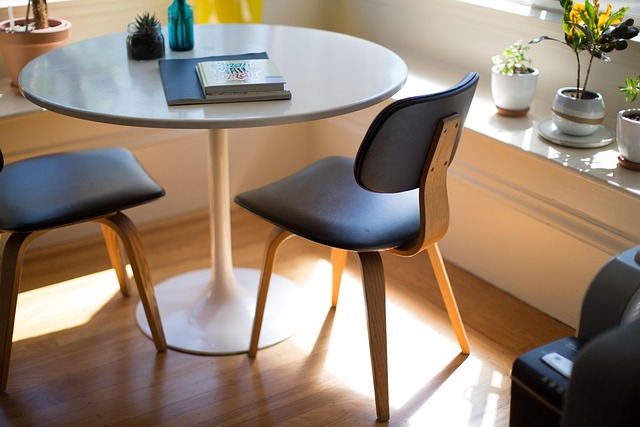
E-commerce for home and furniture includes the online sale of furnishings, décor, and household goods. Product listings, online payments, delivery coordination, customer support, and marketing are all included. A user-friendly website, competitive pricing, high-quality products, and dependable logistics for client satisfaction are all essential for success.
- Here’s a step-by-step, low-budget syllabus to start a Home & Furniture E-Commerce business. I’ve broken it into clear points so you can follow practically:
1. Business Planning & Research
- Identify niche: Decide what furniture or home products you’ll sell (e.g., budget furniture, handmade decor, or modular furniture).
- Market research: Check competitors, popular products, and price range in your target area.
- Target audience: Define your ideal customer (age, location, budget).
2. Legal & Registration
- Business registration: Register as Sole Proprietor / MSME / Private Limited based on budget.
- GST registration: Mandatory for selling online in India.
- Bank account: Open a separate business account.
3. Product Sourcing (Low Budget Options)
- Local suppliers: Contact carpenters, furniture makers, or wholesalers.
- Dropshipping: Sell products without storing inventory (partner with suppliers who deliver directly).
- Handmade / upcycled items: Low-cost option for unique products.
4. E-Commerce Platform Setup
- Free/low-cost platforms: Shopify (basic), Wix, WooCommerce (WordPress).
- Marketplace listing: Amazon, Flipkart, Meesho (low initial cost, wider reach).
- Domain & hosting: Buy cheap domain and hosting if using your own site.
5. Product Catalog & Listings
- Photography: Take clear product images (use natural light).
- Descriptions: Write product details, dimensions, material, and usage.
- Pricing: Include cost, shipping, and profit margin.
6. Payment & Logistics
- Payment methods: UPI, Paytm, Google Pay, credit/debit cards, COD.
- Shipping: Partner with local courier companies (e.g., Delhivery, Ecom Express, or Blue Dart).
- Packaging: Use cardboard boxes, bubble wrap, and tape (low-cost and safe).
7. Marketing & Promotion (Budget-Friendly)
- Social media: Instagram, Facebook, Pinterest for product promotion.
- WhatsApp & Telegram: Create groups for direct sales.
- SEO & free ads: Optimize website/product listings for Google searches.
- Collaborations: Partner with local influencers for shoutouts.
8. Customer Service & Trust Building
- Prompt replies: Answer queries quickly.
- Return & refund policy: Clearly define easy returns.
- Reviews: Encourage customer reviews for credibility.
9. Scaling Without Big Investment
- Reinvest profits: Buy more inventory gradually.
- New products: Add trending home decor or furniture.
- Automation tools: Use free CRM, WhatsApp auto-messages, and inventory management apps.
✅ Tip: Start small, focus on a few best-selling products, and gradually expand. Low-budget success relies on smart sourcing, social media marketing, and excellent service.
- For starting a Home & Furniture E-Commerce business, you’ll need several documents to operate legally and smoothly. Here’s a detailed list:
1. Business Registration Documents
- Proprietorship: Shop Act License (if local rules apply)
- Partnership: Partnership Deed
- Private Limited / LLP: Certificate of Incorporation
- GST Registration: Mandatory for selling goods online
2. Tax & Financial Documents
- PAN Card of the business or owner
- GST Certificate (Goods & Services Tax registration)
- Bank Account in the business name
- TIN (Tax Identification Number) if applicable
3. Legal & Compliance Documents
- Trade License (from local municipal authority)
- Fire Safety Certificate (for warehouse or storage spaces)
- FSSAI License (if selling furniture with coatings/materials requiring safety standards)
- Import/Export License (if sourcing from abroad)
4. Supplier & Product Documents
- Supplier Invoices and purchase orders
- Product Specifications & Compliance Certificates (e.g., FSC for wood, safety certifications)
- Warranty & Guarantee Documents (if applicable)
5. Online Business Documents
- Domain Ownership Certificate (if owning a website)
- Platform Seller Agreement (if selling on marketplaces like Amazon, Flipkart, etc.)
- Return & Refund Policy Document
- Privacy Policy & Terms & Conditions
6. Employee & Operational Documents (if hiring)
- Employee PAN / Aadhaar
- Employment Contracts
- ESI / PF Registration
🪑 Furniture Manufacturers & Suppliers
1. FurnitureRoots
- Specialty: Custom and export-grade furniture, including vintage, carved, and shabby chic styles.
- Location: Pan-India (Jodhpur-based operations).
- Ideal For: Boutique retailers, hospitality projects, and international buyers.
- Website: (FurnitureRoots)
2. Purewood
- Specialty: Mass-produced solid wood furniture with a 12,000 sq. ft. manufacturing facility.
- Location: Pan-India.
- Ideal For: B2B bulk buyers and online furniture retailers.
- Website: (Purewood)
3. Suren Space
- Specialty: Handcrafted wooden and upholstered furniture.
- Location: Jodhpur, Rajasthan.
- Ideal For: Home décor stores and export businesses.
- Website: (Suren Space)
4. The Timber Guy
- Specialty: Industrial, vintage, and solid wood furniture with customization options.
- Location: Jodhpur, Rajasthan.
- Ideal For: Boutique retailers and international buyers.
- Website: (www.thetimberguy.com)
🛋️ Home Furnishings & Décor Suppliers
1. Fabric Venue Lifestyle Pvt Ltd
- Specialty: Hand block-printed textiles and home décor items.
- Location: Jaipur, Rajasthan.
- Ideal For: Home textile retailers and décor enthusiasts.
- Website: (Global Textile Source)
2. Vidya International
- Specialty: Cotton yarn, towels, bathrobes, and home textiles.
- Location: Coimbatore, Tamil Nadu.
- Ideal For: Home textile retailers and bulk buyers.
- Website: (Go4WorldBusiness)
3. Abhay Oriental Rugs
- Specialty: Handwoven carpets and rugs.
- Location: Bhadohi, Uttar Pradesh.
- Ideal For: Home décor retailers and export businesses.
- Website: (Global Textile Source)
📦 Large-Scale & Retail-Focused Suppliers
1. Godrej Interio
- Specialty: Comprehensive range of home and office furniture.
- Location: Pan-India.
- Ideal For: Corporate buyers and large-scale retailers.
- Website: (Mordor Intelligence)
2. IKEA India
- Specialty: Ready-to-assemble furniture and home décor.
- Location: Major cities across India.
- Ideal For: Retailers and online marketplaces.
- Website: (The Times of India)
📋 Importers & Buyers in India
If you’re looking to connect with importers or buyers, platforms like Trademo, Volza, and Go4WorldBusiness offer comprehensive databases of active importers and buyers in the home and furniture sector.
🔍 Tips for Selecting Suppliers
- Product Quality: Request samples to assess material quality and craftsmanship.
- Certifications: Ensure suppliers comply with industry standards and certifications.
- Customization: Verify if the supplier offers customization options to meet your brand’s requirements.
- Lead Times: Confirm production and delivery timelines to align with your inventory needs.
- Minimum Order Quantities (MOQs): Discuss MOQs to ensure they fit your business model.
- Here is a table of top home and furniture e-commerce platforms, ranked by their estimated global user base and market presence as of 2025:
| Rank | Platform | Estimated Global Users | Key Markets & Notes |
|---|---|---|---|
| 1 | Wayfair | 30–40 million | One of the largest home e-commerce platforms in the U.S., known for its extensive selection and competitive pricing. Despite a slight decline in active customers, repeat orders accounted for over 80% of sales, indicating strong customer loyalty. (Barron’s) |
| 2 | IKEA | 20–30 million | A global leader in affordable, ready-to-assemble furniture. IKEA’s online presence complements its physical stores, offering a seamless shopping experience worldwide. (Inven)
| 3 | Amazon Home | 15–20 million | While Amazon is a general marketplace, its home and furniture category is vast, with millions of users worldwide. (Flycity)
| 4 | Pepperfry | 10–15 million | A leading online furniture and home decor marketplace in India, offering a wide range of products and services. (Inven)
| 5 | Ashley HomeStore | 10–12 million | A major U.S.-based furniture retailer with a significant online presence, known for its extensive product range and quality. (Flycity)
| 6 | Crate & Barrel | 8–10 million | Offers high-quality, stylish furniture and home goods, with a strong online presence in North America. (Flycity)
| 7 | West Elm | 6–8 million | Known for modern and minimalist furniture designs, West Elm has a growing online customer base. (Flycity)
| 8 | Target Home | 5–7 million | A major U.S. retailer offering a wide range of affordable home furnishings online. (Flycity)
| 9 | Overstock | 4–6 million | Provides a vast selection of home goods and furniture, with a significant online customer base. (Flycity)
| 10 | JYSK | 3–5 million | A Danish retail chain offering a wide range of home products, with a growing online presence in Europe and beyond. (Inven)
Note: User estimates are based on available data and may vary. The rankings reflect global reach and market influence in the home and furniture e-commerce sector.
- Here’s a detailed list of packing materials commonly used in Home & Furniture e-commerce:
- Corrugated Boxes – Strong cardboard boxes of various sizes to protect furniture parts or home decor items.
- Bubble Wrap – Provides cushioning for fragile items like glass or ceramic.
- Foam Sheets / Foam Rolls – Protects surfaces from scratches and absorbs shocks during transit.
- Packing Peanuts / Loose Fill – Fills empty spaces in boxes to prevent movement of items.
- Stretch Film / Plastic Wrap – Secures furniture pieces, especially for multi-part items, and protects from dust and moisture.
- Kraft Paper / Wrapping Paper – Wraps items to prevent scratches and minor impacts.
- Edge Protectors / Corner Guards – Protects sharp edges of furniture or mirrors from damage.
- Double Wall Boxes – For heavy items like chairs, tables, or shelves, providing extra strength.
- Adhesive Tapes / Packing Tapes – To seal boxes securely. Strong tapes like polypropylene or PVC are preferred.
- Labels & Stickers – Fragile, handle with care, and orientation labels to ensure proper handling.
- Air Pillows / Inflatable Packaging – Fills gaps in boxes and cushions items during transport.
- Wooden Crates / Pallets – For large, heavy, or high-value furniture to provide maximum protection.
For furniture and home decor, the combination of bubble wrap + corrugated box + edge protection is most common, sometimes enhanced with air pillows or foam sheets.
- Here’s a list of common problems that can arise in the Home & Furniture e-commerce business, written in English:
- High Shipping Costs – Large and heavy furniture increases delivery expenses.
- Damage During Delivery – Items can get scratched, broken, or dented in transit.
- Inventory Management Issues – Difficulty in tracking stock and avoiding overstock or stockouts.
- Limited Product Visualization – Customers cannot touch or feel furniture online, making purchase decisions harder.
- Long Delivery Time – Shipping bulky furniture often takes weeks, frustrating customers.
- High Return Rates – Furniture may not match expectations in size, color, or quality, leading to returns.
- Customer Trust – Concerns about product quality, brand authenticity, and safe payment options.
- Complex Assembly – Some furniture requires self-assembly, which can be difficult for customers.
- Website Navigation Problems – Poor search, filter, or categorization can reduce sales.
- Competition from Offline Stores – Customers may prefer seeing furniture physically before buying.
- Seasonal Demand Fluctuations – Sales may vary significantly depending on festivals or seasons.
- Payment Failures – Issues with online payment gateways can cause abandoned carts.
- Return & Refund Policy Confusion – Ambiguous policies can lead to customer dissatisfaction.
- Marketing Challenges – Difficulty targeting the right audience and showcasing products effectively.
- Handling Custom Orders – Managing customized furniture orders can be complex.
- Here’s a detailed list of common problems in Home & Furniture E-Commerce and their solutions in English:
1. Problem: Poor Product Quality
Solution:
- Source from trusted suppliers.
- Conduct quality checks before shipping.
- Display detailed product descriptions, including materials and dimensions.
2. Problem: Late Delivery
Solution:
- Partner with reliable logistics providers.
- Provide estimated delivery dates and real-time tracking.
- Maintain a buffer for peak seasons.
3. Problem: High Return Rate
Solution:
- Provide accurate product images and descriptions.
- Offer easy-to-understand return policies.
- Encourage customer reviews to set realistic expectations.
4. Problem: Inventory Management Issues
Solution:
- Use automated inventory management software.
- Regularly update stock levels on your website.
- Forecast demand using sales data.
5. Problem: Poor Website Experience
Solution:
- Make the website mobile-friendly and fast.
- Simplify navigation and search functions.
- Use high-quality images and videos of products.
6. Problem: Lack of Customer Trust
Solution:
- Show verified reviews and ratings.
- Display secure payment badges.
- Offer money-back guarantees.
7. Problem: Complicated Checkout Process
Solution:
- Reduce checkout steps.
- Offer multiple payment methods.
- Allow guest checkout without mandatory account creation.
8. Problem: High Shipping Costs
Solution:
- Offer free or discounted shipping on certain orders.
- Negotiate better rates with courier partners.
- Provide local delivery options.
9. Problem: Damage During Transit
Solution:
- Use proper packaging materials like bubble wrap, cardboard boxes, and corner protectors.
- Label fragile items clearly.
- Train staff for careful handling.
10. Problem: Poor Customer Support
Solution:
- Provide live chat, email, and phone support.
- Train support staff to handle complaints efficiently.
- Respond promptly to inquiries.
11. Problem: Difficulty in Product Discovery
Solution:
- Implement filters and categories for easy search.
- Use AI recommendations based on user behavior.
- Offer curated collections and trending products.
12. Problem: Competition and Price Wars
Solution:
- Focus on unique designs and quality.
- Offer value-added services like installation or customization.
- Run loyalty programs and promotions.
- Here’s a clear explanation of how to calculate profit and loss in English, step by step, especially for an e-commerce business like Home & Furniture:
1. Definitions
- Cost Price (CP): The price at which you buy a product from the supplier.
- Selling Price (SP): The price at which you sell the product to the customer.
- Profit: The extra money you earn when SP > CP.
- Loss: The money you lose when SP < CP.
2. Formulas
- Profit Calculation
Profit=Selling Price (SP)−Cost Price (CP)\text{Profit} = \text{Selling Price (SP)} – \text{Cost Price (CP)}
- Loss Calculation
Loss=Cost Price (CP)−Selling Price (SP)\text{Loss} = \text{Cost Price (CP)} – \text{Selling Price (SP)}
- Profit Percentage
Profit %=ProfitCost Price×100\text{Profit \%} = \frac{\text{Profit}}{\text{Cost Price}} \times 100
- Loss Percentage
Loss %=LossCost Price×100\text{Loss \%} = \frac{\text{Loss}}{\text{Cost Price}} \times 100
3. Example
- You buy a chair for ₹1,000 (CP = ₹1,000).
- You sell it for ₹1,200 (SP = ₹1,200).
Profit = SP – CP = 1200 – 1000 = ₹200
Profit % = (200 ÷ 1000) × 100 = 20%
If you sell it for ₹900 instead:
Loss = CP – SP = 1000 – 900 = ₹100
Loss % = (100 ÷ 1000) × 100 = 10%
4. Tip for E-Commerce
Always include shipping cost, taxes, and other charges in CP to get the actual profit or loss.
How to Receive Payment in Home & Furniture E-Commerce
- Choose a Payment Gateway
- Select a trusted payment gateway (Razorpay, PayPal, Paytm, Stripe, etc.) to accept online payments securely.
- Offer Multiple Payment Options
- Provide customers with choices such as UPI, Credit/Debit Cards, Net Banking, Wallets, and Cash on Delivery.
- Secure Transaction System
- Use SSL certificates and encrypted gateways to protect customer data during payments.
- Integrate with Your E-Commerce Platform
- Connect the payment system with your website or app so customers can pay easily during checkout.
- Confirm Payment
- After the customer pays, send an automated email/SMS confirming the order and payment status.
- Settlement to Your Bank Account
- The payment gateway transfers money to your registered business bank account within 1–3 working days.
- Track & Manage Payments
- Use dashboards and reports to monitor sales, refunds, and pending payments.
👉 This process helps you smoothly collect payments from customers in your Home & Furniture online store.
Steps to Claim a Return in Home & Furniture E-Commerce
- Check Return Policy
- Read the seller’s or platform’s return policy.
- Confirm whether your product (furniture, home décor, appliance, etc.) is eligible for return.
- Note the return window (example: 7 days, 15 days, or 30 days).
- Log in to Your Account
- Visit the e-commerce platform (Amazon, Flipkart, Pepperfry, etc.).
- Open the “My Orders” section.
- Select the product you want to return.
- Choose Return Option
- Click on “Return/Replace” button.
- Select the reason for return (example: wrong product delivered, damaged item, defective material, size issue, etc.).
- Upload photos or videos if required (especially for damaged or broken furniture).
- Pick-up or Drop-off
- Select whether you want the item picked up from your address or you will drop it at a return center.
- Pack the product properly in its original packaging (if possible).
- Refund or Replacement
- Choose whether you want a refund or a replacement.
- Refunds are usually processed after the item is received and inspected.
- Some sellers may offer instant refund to wallet or bank account.
- Confirmation
- Once the product is picked up, you will get a confirmation message.
- Refund/replacement will be completed as per the policy (generally 5–7 working days).
✅ Important Tips:
- Always keep the invoice and original packaging.
- Take photos/videos of the product before returning (proof for damage/defect).
- Check if return shipping is free or chargeable.
[WPSM_AC id=635]
Leave a Reply