

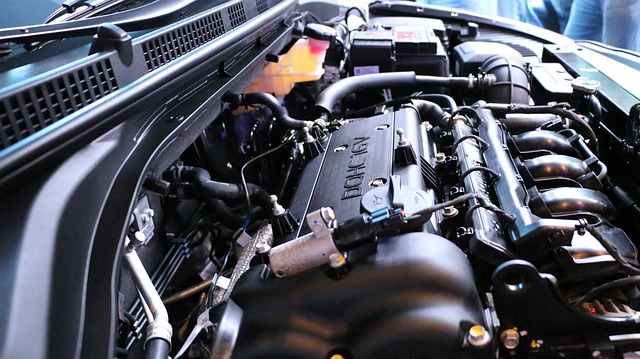
Online sales of automobiles, auto parts, and accessories are referred to as automotive e-commerce. It facilitates easy and effective car purchases all over the world by providing digital platforms for buyers and sellers, product listings, safe payment methods, delivery logistics, customer service, and marketing tactics.
- automotive e-commerceHere’s a detailed point-to-point syllabus to start an Automotive E-Commerce business on a low budget. I’ll break it into clear steps with practical guidance.
1. Niche Selection & Product Research
- Identify specific automotive products (e.g., car accessories, spare parts, tools, lubricants).
- Focus on high-demand, low-competition items.
- Check platforms like Amazon, Flipkart, or local markets for trends.
- Keep your budget in mind; avoid heavy or bulky items initially.
2. Market Research
- mechanics, andAnalyze target audience: car owners, mechanics, fleet managers.
- Understand customer pain points (e.g., delivery speed, authenticity, pricing).
- shipping, andResearch competitors: pricing, shipping, product range.
3. Business Model
- Decide between:
- sell them.Inventory model: Buy products, store them, and sell.
- Dropshipping model: Sell without holding stock (low-budget-friendly).
- Start small, expand gradually.
4. Legal Requirements
- Business registration: Proprietorship, Partnership, or Pvt Ltd.
- GST registration: Mandatory for selling online.
- Check FSSAI only if selling automotive chemicals or oils.
- Keep invoices and records for tax compliance.
5. Supplier Sourcing
- Find reliable suppliers:
- Local manufacturers and wholesalers.
- Online B2B platforms: IndiaMART, TradeIndia.
- Dropshipping platforms for automotive products.
- minimum order quantity)Negotiate a small MOQ (Minimum Order Quantity) to save capital.
6. E-Commerce Platform Setup
- Low-budget options:
- Marketplace: Amazon, Flipkart, Meesho (minimal upfront cost).
- Self-hosted store: Shopify, WordPress + WooCommerce (small monthly fee).
- Ensure product listing, payment gateway, and shipping options are ready.
7. Product Catalog & Listing
- Take clear product photos (DIY photography is fine).
- Write SEO-friendly titles and descriptions.
- Mention compatibility, warranty, and specifications.
- Offer competitive pricing.
8. Payment & Shipping
- Paytm, andUse digital payment options: UPI, Paytm, Razorpay.
- Tie up with affordable courier services: Delhivery, Ecom Express, or local logistics.
- Offer COD (Cash on Delivery) for trust-building.
9. Marketing & Promotion
- Facebook, andSocial Media: Instagram, Facebook, WhatsApp groups.
- reels, andFree channels first: organic posts, reels, engagement groups.
- Low-budget ads: Targeted Facebook/Instagram campaigns with ₹100-₹200/day.
- the automotiveInfluencer marketing: Micro-influencers in automotive niche.
10. Customer Support
- WhatsApp or email support for queries.
- info andProvide tracking info, handle complaints professionally.
- Build trust to get repeat buyers.
11. Order Management & Delivery
- Keep a simple spreadsheet to track orders.
- Update customers about shipping status.
- Use local delivery partners to reduce costs.
12. Growth & Scaling
- Analyze sales trends and focus on profitable products.
- Introduce bundled offers or kits (e.g., car cleaning kits).
- Expand to new automotive niches gradually.
✅ Low-Budget Tips
- Start with dropshipping or small inventory.
- graphics andUse free tools: Canva for graphics, Google Sheets for order tracking.
- DIY marketing and photography initially.
- automotive e-commerceFor starting an Automotive E-Commerce business, you need to prepare certain documents to operate legally, manage payments, and handle logistics. Here’s a detailed list:
1. Business Registration Documents
- Business Incorporation Certificate (LLP, Pvt Ltd, or Proprietorship)
- GST Registration (mandatory for selling online in India)
- PAN Card (for business entity or individual owner)
- Shop & Establishment License (depends on your state rules)
2. Bank & Financial Documents
- Current Bank Account in business name
- checkCancelled Cheque for payment gateway verification
- Financial Statements (if applying for loans or credit)
3. Tax & Compliance Documents
- Goods and Services Tax (GST) Certificate
- Income Tax Returns (ITR) for the past 1–3 years
- Professional Tax Registration (if applicable)
4. E-Commerce Specific Documents
- KYC Documents (PAN, Aadhar, Address Proof of Owner)
- CheckCancelled Cheque or Bank Account Proof (for payment gateway)
- Business Address Proof (rental agreement, utility bill, etc.)
- Authorization Letters/Agreements (if selling branded automotive products)
5. Supplier & Product Documents
- Supplier Agreements (to prove product sourcing)
- Invoice/PO from Suppliers (for inventory verification)
- Product Compliance Certificates (like ISI mark, if required)
6. Legal & Policy Documents
- Return & Refund Policy
- Terms & Conditions
- Privacy Policy
- Shipping & Delivery Policy
🔧 Top Auto Parts Dropshipping Suppliers
These suppliers offer a wide range of auto parts suitable for dropshipping:
- —SpecializesWheel Pros – Specializes in wheels and accessories.
- —OffersTurn14 – Offers a vast catalog of performance parts.
- —ProvidesKole Imports – Provides a variety of automotive products.
- —KnownMar-K – Known for vintage truck parts.
- —SpecializesThe Car Cover – Specializes in car covers and related accessories.
- —OffersSP Racing Online – Offers racing parts and accessories.
- Shifteck – Provides performance tuning products.
- —SpecializesMagnum Tuning – Specializes in tuning chips and performance modules.
- —OffersLane’s Car Products – Offers car care and detailing products.
- —knownFK Automotive – Known for aftermarket automotive parts.
- —ProvidesKeystone Automotive – Provides a wide range of auto parts.
- —SpecializesMotor State Distributing – Specializes in performance parts.
- —OffersMade In China – Offers a variety of automotive products from Chinese manufacturers.
- —ProvidesParts Universe – Provides a wide range of auto parts.
- —OffersBuyAutoParts – Offers a variety of auto parts suitable for dropshipping. (Dropship.it)
🛠️ Automotive E-Commerce Platform Providers
These platforms can help you set up and manage your online auto parts store:
- —OffersRevolutionParts – Offers e-commerce solutions for OEM parts.
- —ProvidesSimplePart – Provides e-commerce solutions for auto parts retailers.
- PartSites—Offers e-commerce solutions for auto parts retailers.
- OE Connection—Provides e-commerce solutions for OEM parts.
- Altos Digital—Offers e-commerce solutions for auto parts retailers.
- WHI Nexpart—Provides e-commerce solutions for auto parts retailers.
- Tradesoft—Offers e-commerce solutions for auto parts retailers. (Spork Marketing)
🌐 Major Automotive E-Commerce Retailers
These are some of the leading automotive e-commerce retailers:
- Advance Auto Parts
- AutoZone
- O’Reilly Auto Parts
- NAPA Auto Parts
- The Pep Boys
- eBay
- Amazon
- Alibaba
- Flipkart
- RockAuto
- Tire Rack
- JC Whitney
- Smart Parts Online (boodmo) (Verified Market Research, Allied Market Research)
📦 Wholesale & Dropshipping Supplier Directories
These directories can help you find additional suppliers for your automotive e-commerce business:
- InventorySource—Provides a directory of automotive product and accessory suppliers. (Inventory Source)
- SaleHoo—Offers a list of trending car parts for dropshipping. (SaleHoo)
🧰 Automotive E-Commerce Solutions
These solutions can help you build and manage your auto parts e-commerce store:
- X-Cart—Offers a comprehensive e-commerce platform for building auto parts websites.
- Shopify Plus—Provides user-friendly features for online auto parts stores.
- BigCommerce—Offers features tailored for auto parts businesses.
- Adobe Commerce (Magento)—Provides a platform for building auto parts e-commerce stores. (X-Cart)

🚗 Top Automotive E-Commerce Platforms (2025)
| Rank | Platform | Estimated Monthly Users/Reach | Focus Area |
|---|---|---|---|
| 1 | Amazon | 2.77 billion global shoppers (Sellers Commerce) | Broad automotive parts & accessories |
| 2 | eBay | 2.77 billion global shoppers (Sellers Commerce) | Used parts, collectibles, auctions |
| 3 | Walmart | 2.77 billion global shoppers (Sellers Commerce) | OEM & aftermarket parts |
| 4 | AutoZone | 2.04 million median monthly visitors (Digital Commerce 360) | DIY auto parts & tools |
| 5 | Advance Auto Parts | 2.04 million median monthly visitors (Digital Commerce 360) | DIY auto parts & tools |
| 6 | O’Reilly Auto Parts | 2.04 million median monthly visitors (Digital Commerce 360) | DIY auto parts & tools |
| 7 | NAPA Auto Parts | 2.04 million median monthly visitors (Digital Commerce 360) | Professional & DIY parts |
| 8 | The Pep Boys | 2.04 million median monthly visitors (Digital Commerce 360) | Service & retail parts |
| 9 | Alibaba | 2.77 billion global shoppers (Sellers Commerce) | Wholesale parts & B2B transactions |
| 10 | JD.com | 2.77 billion global shoppers (Sellers Commerce) | Chinese market, OEM parts |
🔍 Key Insights
- Global Reach: Platforms like Amazon, eBay, and Walmart dominate globally, offering a vast selection of automotive parts and accessories.
- Specialized Retailers: Companies such as AutoZone, Advance Auto Parts, O’Reilly Auto Parts, NAPA Auto Parts, and The Pep Boys cater to both DIY enthusiasts and professional mechanics, providing a wide range of parts and tools.
- B2B Platforms: Alibaba and JD.com serve as major players in the wholesale automotive parts market, connecting manufacturers with businesses worldwide.
- Regional Variations: While platforms like Amazon and eBay have a global presence, platforms like JD.com are more prominent in specific regions, such as China.
- Here’s a detailed list of packing materials for automotive e-commerce products:
1. Corrugated Boxes
- Strong cardboard boxes to protect auto parts during shipping.
- Sizes vary depending on the product (small parts like filters vs. large items like bumpers).
2. Bubble Wrap
- Cushions fragile items such as sensors, headlights, or mirrors.
- Prevents scratches and damage during transport.
3. Foam Sheets / Foam Peanuts
- Extra padding for delicate or irregular-shaped items.
- Foam peanuts fill empty space inside boxes to prevent movement.
4. Plastic Bags
- Protect small parts from dust, moisture, and grease.
- Often used for screws, bolts, or other small components.
5. Packing Tape
- Heavy-duty tape to seal boxes securely.
- Essential for ensuring boxes don’t open in transit.
6. Stretch Film / Shrink Wrap
- Wraps larger items to protect against scratches, dirt, and moisture.
- Also helps bundle multiple parts together.
7. Edge Protectors / Corner Guards
- Protects edges of bumpers, doors, or windshields during shipping.
8. Labels & Stickers
- Shipping labels, fragile stickers, and handling instructions.
- Helps delivery personnel handle packages carefully.
9. Inflatable Air Cushions
- Used for void filling inside boxes for added protection.
- Lightweight and reduces shipping weight.
10. Paper / Kraft Wrapping
- Eco-friendly option for wrapping items or filling gaps.
Tip: Automotive products vary widely in size and fragility, so always customize packaging based on product type to reduce returns due to damage.
- Here’s a list of common problems that arise in Automotive E-Commerce .
- Inventory Management Issues – Difficulty in keeping track of stock, overstocking, or stockouts.
- Product Authenticity Concerns – Customers worry about fake or low-quality automotive parts.
- High Competition – Many online automotive stores make it challenging to stand out.
- Logistics & Shipping Delays – Delays in delivery of bulky or heavy automotive parts.
- Complex Returns & Refunds – Handling returns for damaged or incorrect parts can be complicated.
- Payment Security – Risk of fraud during online payment transactions.
- Limited Customer Knowledge – Customers may lack technical knowledge to select the right parts.
- Website Usability Issues – Poor navigation or slow-loading websites reduce sales.
- After-Sales Support Challenges – Difficulty providing technical guidance post-purchase.
- Regulatory Compliance – Following automotive and e-commerce laws can be complex.
- Here’s a detailed list of common problems in automotive e-commerce along with their solutions.
1. Product Information Issues
Problem: Customers cannot find accurate or complete details about cars, parts, or accessories.
Solution: Provide detailed product descriptions, high-quality images, specifications, and installation guides. Include videos or 360° views for better understanding.
2. Inventory Management
Problem: Out-of-stock items or inaccurate stock information leads to canceled orders.
Solution: Implement real-time inventory management systems. Update stock automatically on your website to prevent overselling.
3. Logistics and Delivery Delays
Problem: Slow or delayed delivery frustrates customers.
Solution: Partner with reliable shipping providers and offer tracking systems. Set realistic delivery timelines and communicate proactively.
4. Payment Issues
Problem: Customers face problems with payment gateways or limited payment options.
Solution: Offer multiple secure payment methods (credit/debit cards, UPI, wallets, COD). Ensure payment gateway reliability and encryption for safety.
5. High Return Rates
Problem: Automotive parts may not fit or function as expected, causing returns.
Solution: Provide clear product compatibility charts, return policies, and support guides. Offer expert consultation before purchase.
6. Customer Trust and Security
Problem: Customers hesitate to buy high-value items online.
Solution: Display trust badges, SSL certificates, reviews, and testimonials. Offer warranties and after-sales support to build confidence.
7. Website Usability
Problem: Poor website design, slow loading, or hard navigation.
Solution: Optimize website speed, create a mobile-friendly interface, and simplify the search and checkout process.
8. Marketing and Customer Acquisition
Problem: Difficulty in attracting new customers in a competitive market.
Solution: Use SEO, social media marketing, email campaigns, paid ads, and retargeting strategies to reach the right audience.
9. Handling Technical Support
Problem: Customers need guidance for installation or troubleshooting but support is slow.
Solution: Provide 24/7 customer support via chat, call, or email. Include FAQs, tutorials, and video guides.
10. Competitive Pricing
Problem: Competitors offer similar products at lower prices.
Solution: Analyze market pricing regularly. Offer bundle deals, discounts, loyalty programs, and emphasize unique value or quality.
11. Legal and Compliance Issues
Problem: Selling automotive products requires compliance with regulations.
Solution: Ensure all products meet local regulations, certifications, and safety standards. Display compliance information on your website.
- Here’s a clear explanation in English on how to calculate profit and loss for an automotive e-commerce business:
1. Understanding Key Terms
- Cost Price (CP): The price at which you purchase a product from a supplier.
- Selling Price (SP): The price at which you sell the product to your customer.
- Profit: When the Selling Price is higher than the Cost Price.
- Loss: When the Selling Price is lower than the Cost Price.
2. Formulas
Profit Calculation: Profit=Selling Price (SP)−Cost Price (CP)\text{Profit} = \text{Selling Price (SP)} – \text{Cost Price (CP)}
Loss Calculation: Loss=Cost Price (CP)−Selling Price (SP)\text{Loss} = \text{Cost Price (CP)} – \text{Selling Price (SP)}
Profit Percentage: Profit %=(ProfitCost Price)×100\text{Profit \%} = \left( \frac{\text{Profit}}{\text{Cost Price}} \right) \times 100
Loss Percentage: Loss %=(LossCost Price)×100\text{Loss \%} = \left( \frac{\text{Loss}}{\text{Cost Price}} \right) \times 100
3. Example
- You buy a car accessory for ₹500 (CP).
- You sell it for ₹600 (SP).
Profit: 600−500=₹100600 – 500 = ₹100
Profit Percentage: (100/500)×100=20%(100 / 500) \times 100 = 20\%
If you sold it for ₹450 instead:
Loss: 500−450=₹50500 – 450 = ₹50
Loss Percentage: (50/500)×100=10%(50 / 500) \times 100 = 10\%
This method can be applied to any automotive product, from car parts to accessories, to track business performance.
- Here’s a detailed explanation in English on how to receive payments in an Automotive E-Commerce business:
1. Choose Payment Methods
Decide which types of payment you will accept from customers:
- Credit/Debit Cards (Visa, MasterCard, etc.)
- Net Banking (direct bank transfers)
- Digital Wallets (PayPal, Google Pay, Paytm, PhonePe)
- Cash on Delivery (COD) for local customers
- UPI Payments (popular in India)
2. Set Up a Payment Gateway
A payment gateway is a service that processes online payments securely. Steps:
- Select a payment gateway (Razorpay, PayPal, Stripe, Paytm, etc.).
- Register your business with the gateway.
- Link your business bank account.
- Integrate the gateway into your e-commerce website or app.
3. Enable Secure Transactions
- Use SSL certificates on your website for encryption.
- Ensure PCI DSS compliance (standard for card payment security).
- Display trust badges to assure customers of safe payments.
4. Confirm Payment Process
- After a customer makes a payment, your system should automatically confirm the payment.
- Send a payment receipt via email or SMS.
- Update the order status in your e-commerce dashboard.
5. Reconcile Payments
- Check payments received in your business bank account daily.
- Match each payment with the orders placed.
- Resolve any discrepancies quickly (like failed transactions or refunds).
6. Refund & Return Handling
- If a customer cancels an order or returns a product, refund the payment via the same method.
- Maintain records of refunds for accounting and customer service.
7. Automate Payment Tracking
- Use e-commerce platforms like Shopify, WooCommerce, or Magento to automatically track payments.
- Use accounting software like QuickBooks, Zoho Books, or Tally for easy reconciliation.
✅ Tip: Always keep multiple payment options to increase customer convenience and reduce cart abandonment.
Steps to Claim a Return in Automotive E-Commerce
- Check the Return Policy
- Before initiating a return, review the seller’s return policy on their website.
- Note the allowed return period, conditions (e.g., unused, original packaging), and any restocking fees.
- Log In to Your Account
- Sign in to your e-commerce account where you purchased the automotive product.
- Go to your Order History or My Orders section.
- Select the Product for Return
- Find the order you want to return.
- Click on Return or Request Return next to the product.
- Provide Reason for Return
- Choose a reason from the options (e.g., damaged item, wrong product, not as described).
- Provide additional details if required to explain the issue clearly.
- Upload Evidence (if needed)
- For damaged or defective items, upload clear photos or videos showing the issue.
- This helps the seller approve the return quickly.
- Choose Return Method
- Select a return method: courier pickup, drop-off at a designated location, or sending it via post.
- The platform may provide a prepaid shipping label in some cases.
- Pack the Product Safely
- Repack the product in its original packaging (if possible).
- Include all accessories, manuals, and invoices.
- Ensure the item is secure to prevent damage during transit.
- Ship the Product
- Use the provided return method or label to send the product back.
- Keep the tracking number safe for reference.
- Wait for Approval and Refund
- Once the seller receives and inspects the item, they will approve the return.
- Refund or replacement is processed as per their policy, usually via the original payment method.
- Some platforms may notify you via email or account notifications.
- Follow Up if Needed
- If the refund or replacement is delayed, contact the seller or e-commerce platform’s customer support.
- Provide your order ID, return tracking number, and any evidence of the item’s condition.
✅ Tips:
- Always read the fine print in the return policy for automotive parts, as some items like oils, batteries, or custom parts may not be returnable.
- Keep communication with the seller in writing to avoid disputes.
- Take photos before packing the product to document its condition.
Leave a Reply