

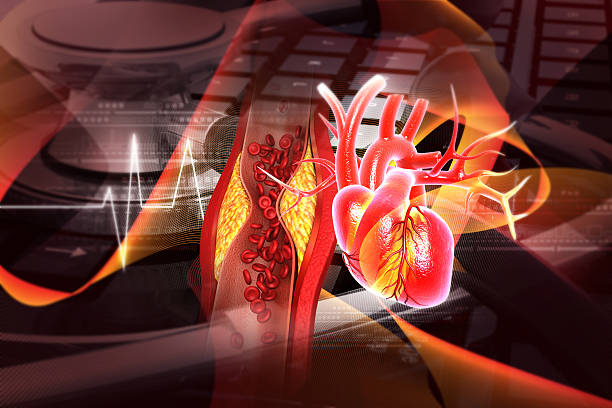
emphasizes using medication, therapy, diet, and exercise to reach a healthy weight. prevents diseases linked to obesity, increases self-esteem, speeds up metabolism, and improves general mental and physical health.
Weight Management & Obesity Care—50Key Points
- Balanced Diet
Eating a balanced diet with proteins, fibers, vitamins, and healthy fats helps maintain weight, improves energy levels, and reduces the risk of obesity-related chronic diseases. - Portion Control
Controlling portion sizes prevents overeating. Smaller meals at regular intervals help regulate metabolism, manage hunger, and maintain healthy calorie intake for effective weight management. - Regular Exercise
Daily physical activity like walking, cycling, or gym workouts burns calories, strengthens muscles, enhances metabolism, and helps maintain a healthy body weight. - Strength Training
Including resistance training builds lean muscle mass, boosts metabolism, burns fat, and prevents obesity by improving overall body composition and long-term calorie expenditure. - Cardio Workouts
Cardiovascular exercises like running, swimming, or aerobics burn fat, improve heart health, increase stamina, and play a significant role in maintaining a healthy body weight. - Mindful Eating
Practicing mindful eating helps recognize hunger signals, prevents emotional overeating, and develops a healthy relationship with food for sustainable weight loss. - Hydration
Drinking enough water daily boosts metabolism, reduces cravings, flushes toxins, and supports digestion, which plays an essential role in weight management. - Low-Calorie Foods
Choosing low-calorie, nutrient-dense foods like fruits, vegetables, and whole grains helps reduce fat intake while providing essential vitamins and minerals. - Avoiding Junk Food
Reducing processed and junk foods lowers unhealthy fat, sugar, and calorie intake, helping control weight and prevent obesity-related diseases. - Meal Planning
Planning meals in advance ensures healthy eating choices, prevents overeating, saves time, and helps maintain a consistent diet routine. - Calorie Tracking
Monitoring daily calorie intake through apps or journals helps identify eating habits, track progress, and maintain balance between calories consumed and calories burned. - Sleep Quality
Adequate sleep regulates hunger hormones, reduces stress, boosts metabolism, and prevents weight gain caused by sleep deprivation or fatigue. - Stress Management
Reducing stress through meditation, hobbies, or relaxation techniques helps prevent emotional eating and unhealthy cravings, supporting weight management. - Intermittent Fasting
Following intermittent fasting patterns helps control calorie intake, improves digestion, boosts metabolism, and promotes fat burning for weight management. - High-Fiber Diet
Eating fiber-rich foods like oats, beans, and vegetables improves digestion, increases satiety, and helps reduce calorie intake naturally. - Protein Intake
Consuming lean protein like chicken, fish, tofu, and legumes boosts metabolism, promotes satiety, and helps build lean muscle mass for long-term weight control. - well-beingHealthy Fats
Including sources of healthy fats like nuts, seeds, and olive oil supports metabolism, reduces cravings, and promotes overall wellbeing while avoiding unhealthy fat storage. - Cutting Sugar
Reducing added sugar lowers calorie intake, prevents fat accumulation, improves energy balance, and supports weight management effectively. - Food Journaling
Keeping a food diary creates awareness of eating habits, tracks progress, and helps identify areas of improvement for healthy weight management. - Mind-Body Practices
Practices like yoga, meditation, and deep breathing improve mental health, reduce stress, and help control emotional eating patterns. - Consistent Routine
Following a fixed eating and exercise schedule regulates metabolism, prevents overeating, and improves weight management consistency. - Avoid Skipping Meals
Skipping meals slows metabolism and increases cravings, leading to overeating later. Regular meals maintain energy and healthy metabolism. - Limit Alcohol
Reducing alcohol intake lowers empty calories, supports liver health, and prevents fat accumulation, helping maintain weight. - Behavioral Therapy
Counseling and behavioral therapy address emotional triggers, unhealthy eating patterns, and lifestyle choices to support sustainable weight loss. - Medical Supervision
Doctors provide personalized plans, checkups, and treatments for obesity-related health issues to ensure safe weight management. - Group Support
Weight loss support groups motivate individuals, provide accountability, and encourage healthy lifestyle practices for better results. - Setting Realistic Goals
Establishing achievable short-term and long-term goals prevents frustration, maintains motivation, and ensures consistent progress in weight management. - Meal Frequency
Eating small meals every 3–4 hours stabilizes blood sugar, controls hunger, and supports steady metabolism. - Avoid Emotional Eating
Identifying emotional triggers prevents overeating, improves self-control, and supports healthy weight management habits. - Food Substitution
Replacing fried, sugary foods with baked, steamed, or grilled options reduces calorie intake and promotes healthier eating. - Glycemic Index Awareness
Choosing low-GI foods helps regulate blood sugar, reduce hunger, and manage weight more effectively. - Cheat Meals Control
Allowing occasional cheat meals prevents cravings, but controlling frequency ensures overall diet consistency. - Home Cooking
Preparing meals at home ensures better ingredient control, portion management, and reduced unhealthy calories. - Walking Daily
Walking 8,000–10,000 steps daily is an easy exercise that burns calories and maintains metabolism. - Metabolism Boosters
Green tea, lemon water, and spices like cayenne support metabolism, fat burning, and weight control. - Avoid Late-Night Eating
Late-night meals slow digestion, increase fat storage, and disturb metabolism. Early dinners improve weight control. - Food Label Reading
Checking nutritional labels helps identify hidden sugars, fats, and calories, supporting healthier food choices. - Supplements (if required)
Vitamins, minerals, and natural supplements support metabolism and weight control when guided by professionals. - Medical Treatments
In some cases, medication or bariatric surgery may be prescribed for severe obesity under medical supervision. - Consistency Over Perfection
Long-term success comes from consistency in diet and exercise rather than quick, extreme measures. - Family Involvement
Encouraging healthy eating and fitness habits in families builds supportive environments for weight management. - Technology Support
Using apps, trackers, and online resources improves accountability, motivation, and progress tracking. - Self-Monitoring
Regularly checking body weight, waist size, or BMI helps track results and adjust habits accordingly. - Outdoor Activities
Hiking, cycling, or sports burn calories while keeping exercise enjoyable and motivating. - Avoid Crash Diets
Extreme diets harm metabolism, muscle health, and mental balance. Sustainable lifestyle changes ensure long-term results. - Cultural Food Adaptation
Adapting traditional recipes into healthier versions ensures sustainable weight management without losing cultural food habits. - Professional Coaching
Nutritionists, trainers, and counselors provide expert guidance tailored to individual needs and lifestyles. - Rewarding Progress
Celebrating small achievements motivates individuals to stay consistent and committed to weight management goals. - Patience & Discipline
Weight management requires patience, discipline, and long-term lifestyle commitment rather than quick fixes. - Healthy Lifestyle Integration
Making weight management a daily lifestyle habit ensures permanent success and overall physical and mental well-being.
Leave a Reply