
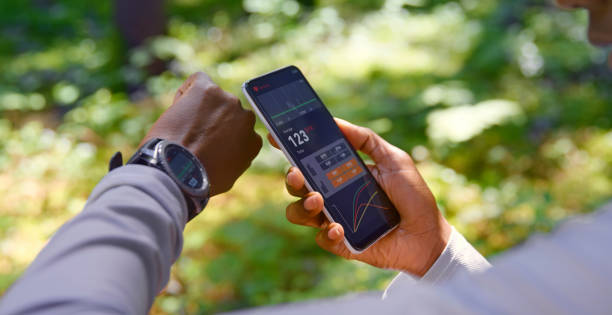
comprises smart devices, telemedicine, health apps, and fitness trackers. tracks activity, keeps an eye on vital signs, and offers real-time health insights to promote proactive wellness management.
Health Technology & Wearables—50Main Points
- Fitness Trackers
Track daily steps, calories, distance, and activity levels. Encourage movement and motivate individuals to achieve health goals with real-time updates on progress. - Smartwatches
Monitor heart rate, oxygen levels, stress, and sleep cycles. Provide notifications, reminders, and fitness data on the wrist for convenient health tracking. - Heart Rate Monitors
Continuously track beats per minute during exercise and rest. Helps users optimize workouts, detect irregularities, and maintain cardiovascular health. - ECG-enabled Devices
Allow users to check heart rhythm and detect irregularities like atrial fibrillation. Provide early warnings for potential heart problems. - Blood Oxygen Monitors (SpO2)
Measure blood oxygen saturation to detect breathing issues, altitude sickness, or early signs of respiratory illness. - Sleep Trackers
Analyze sleep patterns, duration, and quality. Help improve rest by recommending sleep schedules and relaxation techniques. - Blood Pressure Monitors
Provide real-time blood pressure readings on the wrist. Useful for managing hypertension and cardiovascular health. - Continuous Glucose Monitors (CGM)
Track blood sugar levels for diabetic patients. Deliver real-time alerts to avoid sudden highs or lows. - Stress Monitoring Devices
Measure stress through heart rate variability and breathing patterns. Suggest relaxation exercises for better mental well-being. - Smart Rings
Compact devices worn on fingers to monitor fitness, sleep, temperature, and heart rate without bulky gadgets. - Hydration Trackers
Remind users to drink water, track intake, and prevent dehydration-related health issues. - Calorie Burn Trackers
Calculate calories burned during daily activities and workouts. Help achieve weight management goals effectively. - Activity Recognition Sensors
Detect movement type (walking, running, cycling, swimming) to provide accurate exercise data. - Fall Detection Devices
Automatically detect falls, sending alerts to family members or emergency contacts for quick help. - Temperature Monitoring Wearables
Track body temperature continuously to detect fever, infection, or ovulation cycles. - Menstrual Health Trackers
Monitor menstrual cycles, predict ovulation and fertility windows, and support women’s reproductive health. - Smart Clothing
Clothes with embedded sensors that track posture, muscle activity, and body temperature. - Posture Correction Devices
Wearable gadgets that alert when sitting or standing incorrectly. Help prevent back and neck pain. - Hearing Aids with Smart Features
Support hearing while connecting to smartphones for audio streaming, noise filtering, and health tracking. - Portable ECG Patches
Wearable patches that provide detailed cardiac data to doctors remotely for better treatment. - Respiratory Rate Monitors
Track breathing patterns to detect asthma, COPD, or sleep apnea. - UV Exposure Monitors
Measure sunlight exposure to prevent skin damage and recommend safe outdoor time. - Smart Shoes
Track steps, pressure points, running style, and gait to prevent injuries. - Smart Helmets
For cyclists and bikers, track impact, detect accidents, and alert emergency services. - Wearable Pain Relief Devices
Deliver electrical stimulation therapy for back pain, arthritis, or muscle pain. - Baby Health Monitors
Track baby’s breathing, sleep, and movement patterns for safety and early alerts. - Elderly Care Wearables
Provide fall detection, location tracking, and emergency alerts for senior citizens. - Smart Glasses for Health
Assist visually impaired individuals, track eye strain, and provide real-time health notifications. - Rehabilitation Wearables
Used in physiotherapy to track patient recovery progress and muscle activity. - Mental Health Apps with Wearables
Combine mindfulness, breathing exercises, and stress tracking for holistic mental wellness. - AI-based Wearable Assistants
Use artificial intelligence to predict health risks and suggest preventive measures. - Smart Patches for Medication
Deliver controlled doses of drugs like insulin, ensuring proper treatment without injections. - Remote Patient Monitoring Devices
Allow doctors to track patient vitals remotely for better care. - Fitness Coaching Wearables
Provide personalized training programs with real-time feedback. - Smart Insoles
Track pressure, balance, and walking patterns to prevent injuries in athletes or diabetics. - Wearable Thermometers
Continuous body temperature monitoring, especially for children and patients under observation. - Virtual Reality (VR) Fitness Gear
Enhance workouts with immersive fitness experiences. - Augmented Reality (AR) Health Glasses
Help doctors perform surgeries and provide health data visualization. - Emergency Alert Buttons
Wearable SOS buttons for quick help during medical emergencies. - Smart Breast Health Monitors
Detect early breast abnormalities using thermal imaging technology. - Biofeedback Devices
Provide real-time physiological data to improve self-awareness and control over body functions. - Smart Wheelchairs with Sensors
Monitor patient vitals and movement for better mobility support. - Wearable Fertility Monitors
Track hormone levels and ovulation patterns for family planning. - Athlete Performance Trackers
Measure speed, agility, endurance, and recovery times for professional sports training. - Smart Belts
Track waist size, posture, and activity to prevent obesity-related issues. - Wearable Oxygen Concentrators
Portable devices supplying oxygen to patients with respiratory problems. - Gait Analysis Wearables
Analyze walking patterns to prevent injuries or assist rehabilitation. - Medical-grade Smartwatches
FDA-approved devices with clinical-grade accuracy for monitoring serious conditions. - Smart Tattoos
Flexible electronic tattoos that monitor glucose, hydration, and muscle activity. - Data Security in Wearables
Ensure privacy, safe storage, and secure sharing of sensitive health information collected by devices.
Leave a Reply