

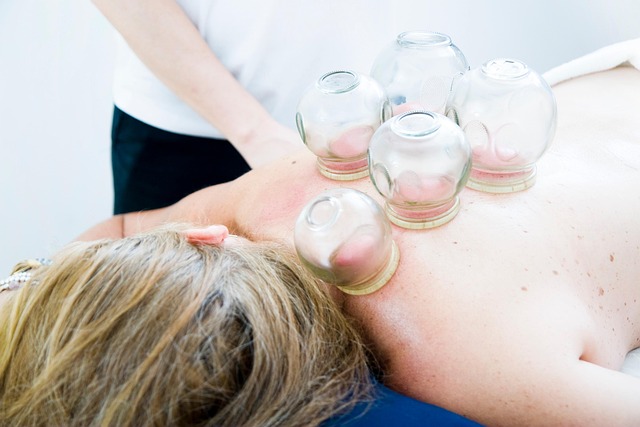
This includes companies that provide non-traditional medical services like massage therapy, acupuncture, chiropractic adjustments, and herbal remedies.
Alternative & Complementary Medicine Business Roadmap
Module 1: Introduction & Business Ideation
- Overview of ACM business types (Ayurveda, homeopathy, naturopathy, yoga, acupuncture, Reiki, and herbal medicine).
- Identify your niche based on expertise, demand, and competition.
- Define your services, treatment packages, and consultation models.
Module 2: Market Research & Target Audience
- Analyze local and online demand for alternative therapies.
- Identify competitors and their service offerings.
- Study client demographics, preferences, and pricing sensitivity.
- Discover gaps in the market for new opportunities.
Module 3: Legal & Regulatory Compliance
- Register the business legally (proprietorship, LLP, or private limited).
- Obtain necessary licenses (AYUSH registration, healthcare permits).
- Ensure compliance with safety protocols, hygiene standards, and ethical guidelines.
- Understand insurance, taxation, and documentation requirements.
Module 4: Funding & Financial Planning
- Estimate startup costs (clinic setup, equipment, staff, marketing).
- Explore funding options: personal investment, bank loans, investors, and government grants.
- Prepare a detailed budget and cash flow forecast.
- Plan for operational expenses and emergency reserves.
Module 5: Location & Infrastructure
- Choose an accessible, calm, and clean location for your clinic.
- Set up therapy rooms, seating, and wellness spaces.
- Purchase necessary medical and wellness equipment.
- Ensure a professional and relaxing client environment.
Module 6: Hiring & Staff Management
- Recruit certified practitioners, therapists, and administrative staff.
- Verify licenses, qualifications, and training.
- Conduct onboarding and continuous professional development programs.
- Create a team culture focused on client care and professionalism.
Module 7: Technology & Operations
- Implement Hospital/Clinic Management Software (HMS).
- Use online appointment systems and telemedicine platforms.
- Maintain digital records of clients and treatments.
- Monitor operational efficiency and workflow.
Module 8: Marketing & Brand Building
- Develop a professional website and social media presence.
- Use SEO, email marketing, and wellness-focused campaigns.
- Offer free workshops, health camps, and webinars to attract clients.
- Collaborate with influencers, gyms, and wellness communities.
Module 9: Client Care & Quality Assurance
- Maintain hygiene and treatment safety protocols.
- Keep detailed patient records and monitor treatment outcomes.
- Collect feedback and improve services continuously.
- Follow industry standards (WHO, NABH, AYUSH) for credibility.
Module 10: Networking & Partnerships
- Build partnerships with gyms, pharmacies, wellness centers, and insurance companies.
- Collaborate with nutritionists, mental health experts, and holistic practitioners.
- Attend wellness expos and seminars for professional networking.
- Increase client referrals and service visibility through strategic alliances.
Module 11: Continuous Learning & Innovation
- Stay updated on new therapies, herbal remedies, and wellness trends.
- Introduce innovative treatments and wellness packages.
- Attend workshops, certifications, and conferences regularly.
- Maintain a competitive advantage and ensure long-term business sustainability.
Module 12: Scaling & Expansion
- Evaluate performance metrics and financial health.
- Expand services, add branches, or offer online consultations.
- Automate operations and integrate advanced technology.
- Explore franchise or partnership opportunities to grow the ACM brand.
- Here’s a detailed point-by-point guide in English on how to start and successfully run an Alternative & Complementary Medicine (ACM) business.
1. Choose Your Niche and Services
Decide on the type of alternative therapies you want to offer, such as Ayurveda, homeopathy, naturopathy, acupuncture, Reiki, yoga, or herbal medicine. Focus on services that have demand in your target area and match your expertise. Clearly define your treatment packages, consultation methods, and wellness programs to differentiate from competitors and attract the right audience.
2. Market Research and Target Audience
Conduct thorough market research to identify potential clients, competitors, and service gaps. Understand demographics, preferences, and willingness to pay for alternative therapies. Analyze trends in health and wellness, and evaluate the success of similar businesses nearby. This research helps design personalized marketing strategies and ensures your services meet the needs of local and online audiences effectively.
3. Legal Registration and Licensing
Register your business legally as a proprietorship, LLP, or private limited company. Obtain necessary licenses for alternative medicine practice from local health authorities, such as AYUSH registration in India. Ensure compliance with government regulations, ethical standards, and safety protocols. Proper documentation builds trust with clients and allows you to advertise and operate your business legally without facing legal issues.
4. Secure Funding and Budget Planning
Estimate the startup cost for clinic setup, equipment, supplies, staff salaries, and marketing. Explore self-funding, bank loans, investors, or government grants for alternative medicine businesses. Create a detailed budget covering monthly operational costs and emergency reserves. Proper financial planning prevents cash flow issues, ensures smooth operations, and allows scaling the business efficiently without compromising service quality.
5. Location, Infrastructure, and Equipment
Choose a calm, accessible, and hygienic location for your clinic or wellness center. Invest in therapy rooms, comfortable seating, diagnostic tools, herbal medicine inventory, and wellness equipment. Ensure a clean, relaxing environment for clients, reflecting professionalism and trustworthiness. Proper infrastructure enhances client experience, encourages repeat visits, and helps in building a positive reputation in the community.
6. Hire Qualified and Experienced Staff
Recruit certified practitioners, therapists, assistants, and administrative staff with experience in alternative medicine. Ensure they have proper licenses and training in their respective fields. Continuous professional development and training maintain high service standards. Knowledgeable staff enhances credibility, ensures safety during treatments, and improves patient satisfaction, leading to positive reviews, referrals, and long-term business success.
7. Develop Online Presence and Marketing Strategy
Create a professional website and social media profiles to promote your services. Offer online consultations, blogs, wellness tips, and testimonials. Use local SEO, email marketing, and health-focused campaigns to reach potential clients. Collaborate with wellness influencers, host workshops, and organize free sessions. Strategic marketing builds brand awareness, attracts the right clientele, and establishes your business as a trusted authority in alternative medicine.
8. Client Care, Safety, and Quality Standards
Maintain hygiene, follow treatment protocols, and ensure patient safety at all times. Keep detailed patient records and monitor progress. Implement feedback systems to improve services. Comply with WHO, AYUSH, or other recognized standards. High-quality care builds trust, ensures repeat clients, and generates word-of-mouth referrals. Focusing on safety and professionalism differentiates your practice in a competitive market.
9. Networking and Partnerships
Collaborate with gyms, wellness centers, yoga studios, pharmacies, and insurance companies. Partner with holistic health practitioners, nutritionists, and mental health professionals. Attend wellness expos and seminars to expand your professional network. Partnerships increase referrals, broaden service offerings, and boost credibility. Networking with the right stakeholders ensures consistent client flow and strengthens the business ecosystem around your ACM services.
10. Continuous Learning and Innovation
Stay updated with emerging therapies, herbal remedies, and wellness technologies. Attend workshops, certifications, and conferences to enhance your skills and service offerings. Introduce new treatments or wellness packages based on client demand. Innovation helps retain clients, keeps the business competitive, and positions your practice as a leader in alternative and complementary medicine, ensuring long-term success and sustainability.
Leave a Reply