

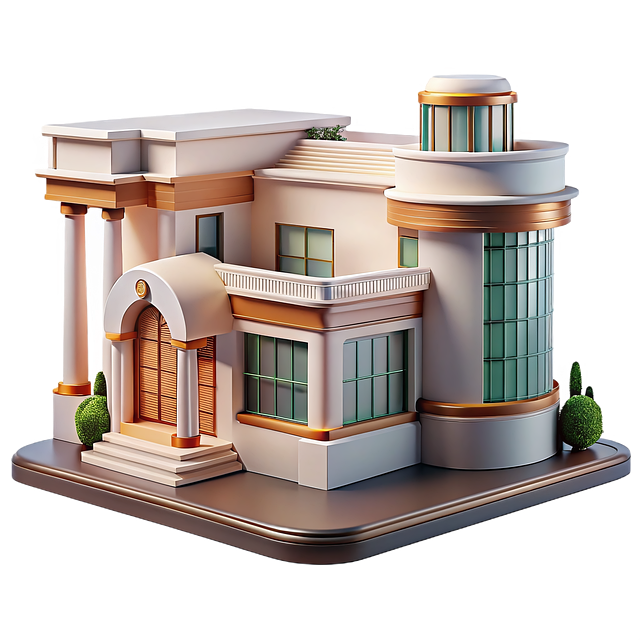
Penthouses, villas, and designer homes with top-notch amenities are available in luxury housing markets, drawing ultra-rich purchasers and well-known foreign real estate investors.
🏡 Starting a Luxury Housing Business – Step-by-Step
1. Market Research & Idea Validation
- Identify demand for luxury housing in your target city or region.
- Study high-net-worth individuals’ (HNIs’) lifestyle needs (privacy, design, location).
- Analyze competitors’ projects (features, pricing, occupancy rate).
- Validate the idea with surveys, real estate reports, and expert opinions.
2. Business Planning
- Define your business model: luxury apartments, villas, gated communities, or townships.
- Decide between construction & sales or rental/serviced apartments.
- Estimate investment requirements and calculate potential ROI.
- Draft a detailed business plan with financial projections.
3. Legal & Regulatory Setup
- Register your business entity (LLP, Pvt Ltd, or Partnership).
- Acquire land ownership/lease rights.
- Obtain local government permissions: zoning, RERA (Real Estate Regulatory Authority), and building approvals.
- Ensure compliance with environmental and safety regulations.
4. Location & Land Acquisition
- Choose prime locations: city centers, waterfronts, golf courses, or gated areas.
- Work with real estate consultants to identify high-value land plots.
- Negotiate with landowners and secure clear legal titles.
5. Design & Architecture
- Hire top architects and interior designers specializing in luxury housing.
- Plan unique layouts: spacious rooms, smart homes, panoramic views, and green spaces.
- Include luxury features: swimming pools, gyms, spas, smart technology, and concierge services.
- Focus on sustainable and eco-friendly building designs.
6. Construction & Project Management
- Select reputed contractors and suppliers.
- Use high-quality construction materials and finishes.
- Implement project timelines with strict quality control.
- Hire project managers to oversee progress and avoid delays.
7. Branding & Marketing
- Create a premium brand identity (name, logo, website, brochures).
- Showcase luxury lifestyle with 3D walkthroughs, videos, and model apartments.
- Market through digital ads, real estate expos, influencers, and luxury magazines.
- Partner with wealth managers, luxury car showrooms, and premium clubs to reach HNIs.
8. Sales & Customer Relationship
- Build an exclusive sales team trained for high-net-worth clients.
- Offer personalized tours, virtual tours, and one-on-one consultations.
- Provide flexible payment plans, financing options, and concierge services.
- Build long-term trust through after-sales services.
9. Finance & Investment
- Secure funding through banks, private equity, or real estate investors.
- Manage cash flow for land, construction, and marketing.
- Keep contingency funds for delays or cost overruns.
- Offer joint ventures with landowners or investors.
10. Operations & Long-Term Growth
- Hire property managers for maintenance, security, and guest services.
- Create loyalty programs for buyers (club memberships, resale services).
- Expand into multiple cities once the first project is successful.
- Innovate with green housing, AI-powered smart homes, and luxury rental models.
✅ In short: Luxury Housing = Prime Land + Premium Design + Rich Lifestyle Services + Targeting HNIs.
- Here’s a step-by-step guide for starting and successfully running a luxury housing business.
1. Market Research & Feasibility Study
Before entering the luxury housing sector, conduct thorough market research to understand high-net-worth customer preferences, prime locations, and competitive projects. Study demand trends, local regulations, and buyer behavior. A feasibility study will help determine expected returns, risks, and investment requirements. This step ensures you target the right audience with the right product, avoiding misjudgments that could lead to financial losses or project delays.
2. Business Planning & Strategy
Develop a comprehensive business plan including project vision, target buyers, budget allocation, funding sources, and development timeline. Outline the business model, whether building luxury apartments, villas, or gated communities. Plan differentiation strategies such as eco-friendly designs, smart homes, or high-end amenities. A strong strategy with defined goals and financial projections ensures long-term growth and helps attract investors and stakeholders with confidence.
3. Legal Compliance & Approvals
Obtain all necessary approvals and permits from government authorities before starting construction. This includes land acquisition clearance, environmental approvals, building permits, and registration under local real estate laws (such as RERA in India). Ensure compliance with safety codes, zoning laws, and taxation requirements. Proper legal documentation builds buyer trust, prevents disputes, and secures the business against future risks, creating a foundation of credibility and transparency.
4. Funding & Financial Management
Luxury housing projects require heavy capital investments. Arrange funds through self-financing, bank loans, private investors, or real estate funds. Develop a financial plan for construction costs, marketing, staff salaries, and contingency reserves. Implement financial management systems to track expenses, ensure profitability, and avoid overruns. Transparent budgeting and timely reporting to investors enhance trust and create long-term partnerships, ensuring consistent financial stability and project success.
5. Location Selection & Land Development
Choose prime locations with high appreciation value and proximity to business hubs, luxury shopping centers, international schools, and healthcare facilities. Luxury buyers demand exclusivity, convenience, and prestige, so location is the key differentiator. Plan the land layout strategically with wide roads, greenery, and modern infrastructure. Location combined with world-class amenities significantly enhances property value and ensures strong demand from affluent buyers.
6. Luxury Design & Architecture
Hire top architects and interior designers to create unique, modern, and luxurious designs. Focus on high-quality construction materials, innovative layouts, natural lighting, smart home features, and energy-efficient solutions. Offer amenities like private pools, gyms, spas, and concierge services. Exceptional design combined with sustainability appeals to wealthy clients. Architectural excellence not only differentiates your project but also helps in premium pricing and higher resale value.
7. Branding & Marketing
Build a premium brand identity with a strong logo, professional website, and engaging social media presence. Use virtual tours, 3D walkthroughs, and lifestyle videos to showcase luxury features. Organize exclusive events, partner with influencers, and list properties on high-end real estate portals. Marketing should highlight lifestyle, exclusivity, and luxury experience rather than just property details. Strong branding attracts wealthy buyers who value prestige and quality.
8. Sales Strategy & Networking
Develop a customer-centric sales strategy targeting high-net-worth individuals, NRIs, and corporate executives. Build strong networks with wealth managers, luxury brokers, and investment advisors to connect with potential buyers. Offer personalized tours, luxury hospitality, and flexible payment plans to build trust. Establish exclusive tie-ups with banks for premium loan services. High-quality sales experience ensures faster closures and builds long-term buyer relationships.
9. Customer Experience & Service
Luxury housing buyers expect world-class customer service. Provide personalized consultations, quick responses, transparent updates, and post-sale support like property management and maintenance. Offer concierge services, smart home setup, and exclusive community benefits. Excellent customer experience builds reputation, trust, and referrals, ensuring repeat investments. A strong focus on service quality transforms buyers into brand ambassadors, giving long-term benefits in the luxury housing market.
10. Continuous Improvement & Expansion
After the first successful project, gather customer feedback to improve future developments. Focus on innovation, adding advanced technology, eco-friendly features, and new luxury concepts. Explore international collaborations to introduce global standards in design and lifestyle. Gradually expand into new cities or overseas markets where luxury demand is rising. Continuous improvement ensures the business adapts to changing trends and remains competitive for years.
Leave a Reply