

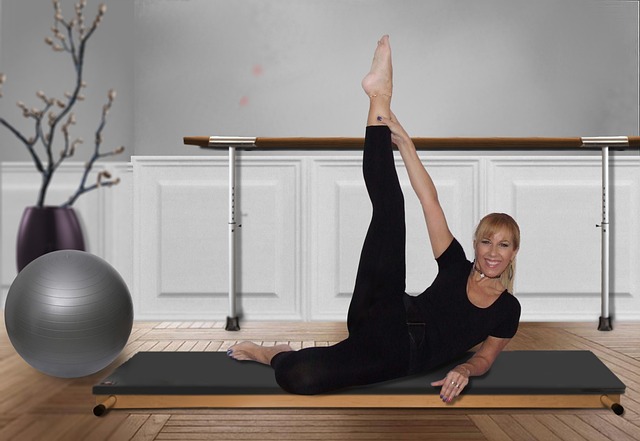
Through gyms, personal training, fitness applications, and the retail of sportswear and equipment, this industry encourages physical fitness. It emphasizes movement and exercise.
📘 Fitness & Physical Activity Business Roadmap Syllabus
Module 1: Foundation & Planning
- Introduction to Fitness Industry – Scope, trends, and opportunities.
- Niche Selection – Gym, yoga, CrossFit, Zumba, dance, online coaching.
- Market Research – Demand, competition, customer behavior, and pricing trends.
- Business Model Development – Membership, subscription, corporate tie-ups, online/offline models.
Module 2: Legal & Financial Setup
- Business Registration – LLP, Private Limited, or Proprietorship setup.
- Licenses & Compliance – Health, safety, fire, and local authority permissions.
- Insurance & Liability – Protecting business and clients from risks.
- Financial Planning – Budgeting, funding sources, profit & loss calculation.
Module 3: Infrastructure & Setup
- Location Selection – Accessibility, visibility, and target audience fit.
- Space Design – Layout for equipment, group activities, safety, and ambiance.
- Equipment Procurement – Cardio, strength, yoga, CrossFit, or specialized gear.
- Technology Integration – Fitness management software, digital booking, progress tracking.
Module 4: Human Resource & Operations
- Trainer Recruitment – Certified fitness professionals, nutritionists, physiotherapists.
- Staff Training – Customer service, safety protocols, motivational skills.
- Standard Operating Procedures (SOPs) – Daily operations, hygiene, scheduling.
- Quality & Safety Standards – Preventing injuries, client health assessments.
Module 5: Branding & Marketing
- Brand Identity – Logo, name, tagline, mission, and vision.
- Website & Social Media Setup – Digital presence, SEO, online bookings.
- Offline Marketing – Flyers, banners, workshops, free health camps.
- Campaigns & Promotions – Discounts, referral programs, fitness challenges.
Module 6: Business Growth Strategies
- Membership Models – Flexible packages, corporate fitness programs, pay-per-class.
- Client Engagement – Loyalty programs, achievement celebrations, personal guidance.
- Community Building – Events, group challenges, online communities.
- Partnerships – Tie-ups with schools, corporates, insurance, wellness brands.
Module 7: Scaling & Expansion
- Advanced Services – Online training, diet consultation, fitness products.
- Franchise Model – Replicating success in other locations.
- Automation Tools – CRM, AI-driven fitness tracking, automated billing.
- Continuous Improvement – Feedback, upgrading equipment, staff development.
Module 8: Long-Term Sustainability
- Financial Sustainability – Managing costs, increasing revenue streams.
- Adapting to Trends – Virtual fitness, wearable tech, hybrid models.
- Customer-Centric Culture – Building trust, delivering consistent value.
- Future Roadmap – Innovation, brand positioning, long-term vision.
✅ By following this syllabus step by step, you can build, launch, and scale a Fitness & Physical Activity Business systematically—like completing a structured course.
Here’s a step-by-step guide for starting and successfully running a Fitness & Physical Activity Business.
1. Identify Your Niche
Decide whether you want to start a gym, yoga studio, dance fitness, CrossFit, Pilates, personal training, or online fitness coaching. Choosing a clear niche helps you target the right audience and avoid competition. Research customer preferences in your area. A focused niche creates a unique brand identity, attracts loyal members, and ensures long-term growth in a competitive fitness industry.
2. Market Research & Location Selection
Study your local area to understand demand, pricing, and competitors. Identify gaps in services where you can stand out. Select a location that is accessible, visible, and has high footfall. Proximity to offices, schools, or residential areas increases membership opportunities. A good location builds trust and convenience, which are key factors for attracting and retaining long-term clients in the fitness business.
3. Business Registration & Legal Compliance
Register your business as a legal entity (LLP, Private Limited, or Sole Proprietorship). Obtain necessary licenses, health permits, and GST registration. Ensure compliance with safety regulations, liability insurance, and fire safety norms. If hiring trainers, verify certifications and agreements. Proper legal structure builds trust, avoids penalties, and makes it easier to partner with corporates or wellness programs in the future.
4. Financial Planning & Investment
Create a clear budget for rent, equipment, salaries, marketing, and maintenance. Estimate your break-even point and expected monthly income. Arrange funding through personal savings, bank loans, or investors. Offer membership packages to generate upfront cash flow. Smart financial planning prevents unnecessary debt, allows steady operations, and gives your business a sustainable foundation to grow without unexpected financial hurdles.
5. Equipment & Infrastructure Setup
Purchase quality fitness equipment like treadmills, weights, mats, resistance bands, or specialized gear for your niche (e.g., yoga props, CrossFit rigs). Ensure your space is well-ventilated, safe, and designed for group or personal sessions. Add amenities like lockers, showers, and water facilities. A comfortable and well-equipped environment motivates members, increases satisfaction, and ensures a professional fitness experience that encourages repeat visits.
6. Qualified Trainers & Staff
Hire certified fitness trainers, nutritionists, or physiotherapists depending on your business model. Staff should have strong communication, motivation, and customer service skills. Regular training ensures updated knowledge of modern fitness trends and safety protocols. A skilled and professional team builds trust, prevents injuries, and creates personalized programs that retain clients. Staff attitude plays a huge role in member satisfaction and loyalty.
7. Branding & Marketing Strategy
Build a strong brand with a catchy name, logo, and professional website. Use social media marketing, influencer tie-ups, and Google ads to reach potential clients. Offer trial classes, referral discounts, and community events like fitness challenges or workshops. Highlight client success stories for social proof. Effective branding and marketing create awareness, attract members, and position your business as a trusted fitness destination.
8. Membership Models & Pricing
Offer flexible packages like monthly, quarterly, or yearly memberships. Provide pay-per-class, group discounts, or corporate fitness programs. Add value with diet consultation, personal training, or online sessions. Ensure your pricing is competitive yet profitable. Transparent and flexible pricing attracts different income groups and makes services more accessible. A well-designed membership model ensures steady cash flow and long-term customer commitment.
9. Technology & Digital Integration
Use fitness management software for attendance, billing, and scheduling. Offer online booking through apps or your website. Provide digital workout plans and virtual classes for remote members. Track progress using wearable devices and integrate results with your system. Technology enhances customer experience, improves efficiency, and allows expansion beyond local boundaries. It also helps in personalized fitness tracking, building loyalty, and boosting revenue.
10. Client Retention & Community Building
Keep members engaged with fitness challenges, loyalty programs, workshops, and regular progress updates. Create a friendly and motivating community where clients feel supported. Offer personalized guidance and celebrate small achievements. Member satisfaction ensures positive word-of-mouth and referrals, which reduce marketing costs. A strong community builds long-term relationships, creates brand ambassadors, and makes your business more sustainable and profitable over time.
Leave a Reply