

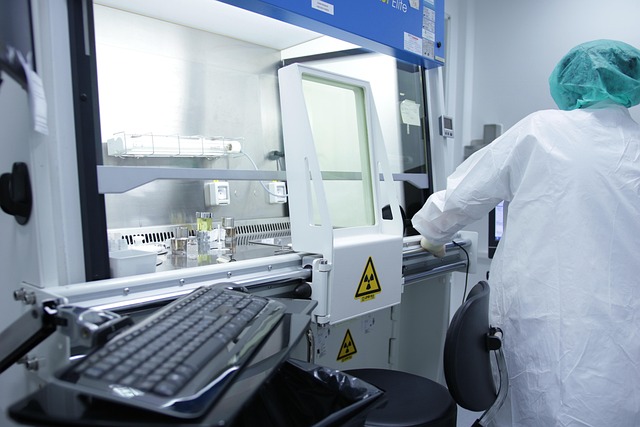
Prescription medication, vaccines, and other medical products are developed, manufactured, and researched in this industry. Both big pharmaceutical companies and smaller biotech companies are part of it.
📘 Business Roadmap Syllabus: Pharmaceuticals & Biotechnology
Module 1: Foundation & Understanding the Industry
- Introduction to Pharmaceuticals & Biotechnology
- Global and Indian Market Overview
- Current Trends & Future Opportunities
- Identifying Business Models (Manufacturing, R&D, Distribution, Biotech Startups)
- Success Stories & Case Studies
Module 2: Business Idea & Planning
- Choosing Your Niche (Generic Drugs, Biologics, Diagnostics, Vaccines, Research Tools)
- Creating a Strong Vision & Mission
- Market Research & Gap Analysis
- Feasibility Study (Technical, Financial, Operational)
- Building a Business Plan
Module 3: Legal Framework & Compliance
- Business Registration Types (LLP, Pvt. Ltd., Corporation)
- Mandatory Licenses (FDA, CDSCO, GMP, Drug License, NABL, ISO)
- Intellectual Property & Patents
- Environmental & Safety Regulations
- International Standards (EMA, WHO, USFDA)
Module 4: Infrastructure & Setup
- Choosing Location & Facility Design
- Manufacturing Plant Setup (Pharma)
- Laboratory & Research Facility Setup (Biotech)
- Equipment & Technology Selection
- Safety, Biohazard & Waste Management
Module 5: Funding & Financial Management
- Estimating Startup Costs
- Sources of Funding (Loans, VC, Angel Investors, Govt. Grants)
- Budgeting & Expense Planning
- Financial Forecasting & Break-Even Analysis
- Managing Cash Flow
Module 6: Research & Development (R&D)
- Role of R&D in Pharma & Biotech
- Building R&D Team (Scientists, Researchers)
- Laboratory Processes & Testing
- Pre-clinical & Clinical Trial Stages
- Patents & Innovation Protection
Module 7: Quality Assurance & Regulatory Standards
- Good Manufacturing Practices (GMP)
- Good Laboratory Practices (GLP)
- Product Testing & Validation
- Documentation & Audit Procedures
- Maintaining Global Regulatory Standards
Module 8: Human Resources & Team Building
- Hiring Key Staff (Doctors, Scientists, Pharmacists, Researchers)
- Training & Upskilling Workforce
- Building Leadership & Management Team
- Creating a Research-Oriented Culture
- Employee Retention Strategies
Module 9: Supply Chain & Operations
- Raw Material Sourcing
- Vendor & Distributor Network
- Cold Chain Logistics for Biotech Products
- Inventory & Storage Systems
- Digital Supply Chain Management Tools
Module 10: Sales, Marketing & Branding
- Pharma & Biotech Marketing Strategies
- Digital Marketing & Social Media for Healthcare
- Medical Conferences & Journals Promotion
- Ethical Marketing & Compliance
- Building Brand Trust & Reputation
Module 11: Partnerships & Collaborations
- University & Research Institute Tie-ups
- Collaborating with Hospitals & Healthcare Providers
- Pharma-Biotech Joint Ventures
- Government & NGO Collaborations
- Global Partnerships for Expansion
Module 12: Growth, Innovation & Expansion
- Scaling Operations (National & International)
- Diversifying Product Portfolio
- Leveraging Technology (AI, Genomics, Personalized Medicine)
- Monitoring Market Trends & Adapting
- Continuous Improvement & Long-term Sustainability
Final Project (Capstone)
- Create a Complete Business Plan for a Pharmaceutical or Biotechnology Company, covering all modules.
- Include Market Analysis, Licensing, R&D Strategy, Funding Plan, Marketing Roadmap, and Expansion Strategy.
- Here’s a step-by-step guide in English for starting and running a Pharmaceuticals & Biotechnology business successfully.
1. Business Idea & Vision
Decide whether you want to focus on manufacturing drugs, developing biotech products, research & development, or distribution. Clearly define your vision—are you solving a critical health problem, producing generic medicines, or innovating biotech solutions? A strong vision will help in getting investors, building a team, and staying competitive in the global healthcare market. Your idea must align with real healthcare demands and long-term growth opportunities.
2. Market Research & Feasibility
Conduct in-depth research on the pharmaceutical and biotech market, analyzing global trends, local demand, competitors, pricing, and regulatory requirements. Identify unmet medical needs, target diseases, or therapeutic areas where innovation is required. Feasibility studies must cover technical aspects, financial projections, and operational challenges. This step helps in reducing risks, understanding customer demand, and identifying entry barriers such as patents, licenses, or high investment requirements.
3. Legal Registration & Licensing
Register your company under the appropriate legal structure (Private Limited, LLP, or Corporation). Obtain all mandatory approvals from authorities like the Food and Drug Administration (FDA), Central Drugs Standard Control Organization (CDSCO), and international regulators if exporting. Apply for licenses including GMP (Good Manufacturing Practices), ISO certifications, and drug licenses. Legal compliance builds trust with partners and customers while protecting your intellectual property and ensuring product safety standards.
4. Infrastructure & Facilities
Choose a suitable location for your manufacturing plant, R&D laboratory, or biotech facility. The infrastructure must meet international health and safety standards, with sterile environments, modern equipment, and proper waste disposal systems. For biotechnology, advanced labs with bio-safety levels (BSL) may be required. Ensure easy supply chain access for raw materials and distribution. Well-planned infrastructure reduces risks, improves efficiency, and helps achieve compliance with global healthcare authorities.
5. Funding & Financial Planning
Pharmaceuticals and biotechnology require significant investment for R&D, manufacturing, clinical trials, and regulatory approvals. Secure funding through bank loans, venture capitalists, government grants, or strategic investors. Create a detailed financial plan including setup costs, operational expenses, marketing, and contingency funds. Ensure long-term financial sustainability by planning for both short-term working capital needs and future expansion. Proper financial management prevents cash flow issues and ensures business stability.
6. Research & Development (R&D)
R&D is the backbone of pharma and biotech businesses. Invest in skilled scientists, advanced laboratories, and innovative technologies like AI, bioinformatics, and molecular biology tools. Conduct pre-clinical studies, develop prototypes, and test drug formulations. Protect your innovations through patents. Collaborating with universities and research institutions can accelerate discoveries. Strong R&D capabilities ensure innovation, competitive advantage, and long-term success by bringing new, effective, and safe products into the healthcare market.
7. Regulatory Compliance & Quality Standards
Strictly follow national and international regulations like FDA, EMA, CDSCO, GMP, and WHO guidelines. Implement quality control systems at every stage—from raw material sourcing to final packaging. Regular audits, documentation, and certifications ensure safety, efficacy, and reliability of products. Non-compliance can lead to penalties, product recalls, or bans. Maintaining high regulatory standards builds credibility, trust, and a strong reputation in the highly sensitive healthcare industry.
8. Skilled Workforce & Team Building
Hire qualified professionals including scientists, pharmacists, biotechnologists, clinical researchers, quality assurance experts, and marketing specialists. Provide regular training to keep them updated on new technologies and global healthcare trends. Encourage collaboration between R&D, production, and business teams to enhance innovation and efficiency. A motivated and knowledgeable workforce is essential for handling complex biotech processes, ensuring product quality, and driving long-term organizational success in a competitive industry.
9. Supply Chain & Distribution
Develop a strong supply chain network to source raw materials, maintain cold-chain storage for biotech products, and distribute medicines to hospitals, pharmacies, and global markets. Use modern logistics solutions with tracking systems for safety and efficiency. Partner with distributors and healthcare providers to reach wider markets. Reliable supply chain management ensures timely delivery, reduces wastage, and helps maintain product integrity, which is critical in pharmaceuticals and biotechnology.
10. Marketing & Branding
Build a strong brand image by highlighting innovation, quality, and patient-centric solutions. Use digital marketing, medical conferences, journals, and professional networks to reach doctors, hospitals, and investors. Focus on ethical marketing practices to build long-term trust. For biotech, emphasize research breakthroughs and real-life health impacts. Strong branding not only increases customer loyalty but also attracts partnerships, grants, and collaborations with international healthcare organizations and pharmaceutical companies.
11. Strategic Partnerships & Collaborations
Collaborate with universities, research institutes, healthcare providers, and global pharmaceutical companies. Partnerships can accelerate product development, clinical trials, and market entry. Joint ventures help reduce costs, share risks, and expand distribution networks. Government and NGO collaborations may provide financial support and approvals. Strategic alliances ensure faster innovation, wider reach, and long-term sustainability in a highly competitive industry like pharmaceuticals and biotechnology.
12. Continuous Innovation & Growth
Success in pharmaceuticals and biotechnology requires constant innovation. Regularly upgrade technology, invest in AI, genomics, personalized medicine, and biologics. Monitor global healthcare trends and adapt quickly to new demands. Scale your operations by expanding into international markets, launching new products, and diversifying your portfolio. Focus on patient needs and feedback to improve continuously. Innovation-driven growth ensures long-term success, resilience, and a strong position in the global healthcare industry.
Leave a Reply