

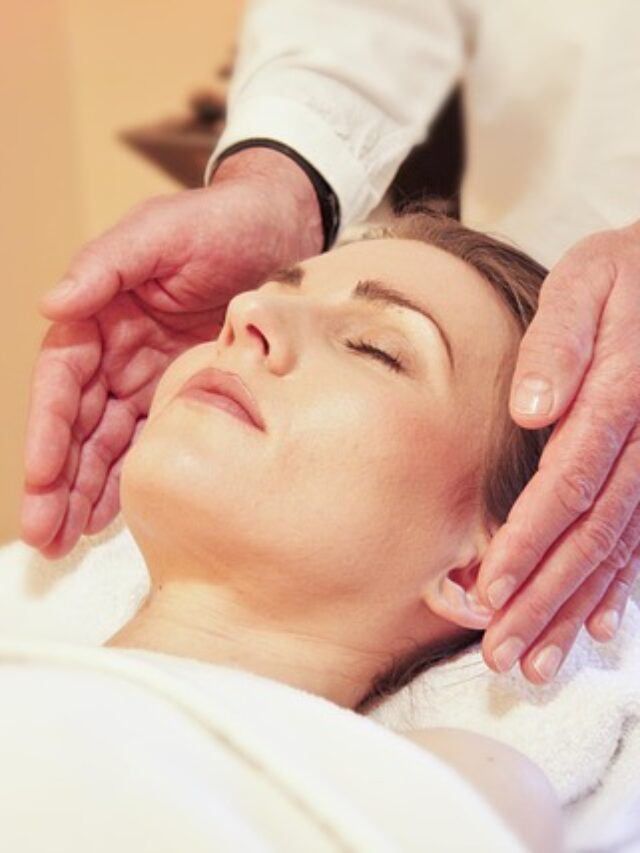
Relaxation Therapy: A Journey to Inner Calm and Healing
Outline of the Article
- Introduction to Relaxation Therapy
- What is Relaxation Therapy?
- The Importance of Relaxation in Modern Life
- Benefits of Relaxation Therapy
- Reduces stress and anxiety
- Improves physical health
- Enhances emotional wellbeing
- Boosts sleep quality
- Different Types of Relaxation Therapy
- Deep Breathing Techniques
- Progressive Muscle Relaxation
- Guided Imagery
- Meditation and Mindfulness
- Aromatherapy
- Yoga and Movement
- Music and Sound Therapy
- How Relaxation Therapy Works
- Connection between mind and body
- Influence on the nervous system
- Relaxation Therapy for Stress Management
- Relaxation Therapy for Physical Healing
- The Role of Nature in Relaxation
- Relaxation and Emotional Balance
- Common Obstacles to Relaxation
- Practical Tips for Practicing Relaxation Daily
- Relaxation Therapy in Professional Settings
- Relaxation Therapy Across Different Age Groups
- Conclusion: Embracing Calm as a Way of Life
- FAQs
**Relaxation Therapy…
Article
Introduction to Relaxation Therapy
Stress clings to us like shadows in a world that moves more quickly than the beat of the dawn. Not merely a technique, relaxation therapy serves as a haven and a gentle reminder that calm can exist even in the midst of chaos. It’s the art of taking a deep breath, letting the soul relax, and accepting silence as medicine.
What is Relaxation Therapy?
A group of methods known as relaxation therapy are intended to relieve stress, calm the nervous system, and support the body, mind, and soul. It is more than just rest; it is deliberate silence, a holy pause that turns fatigue into vitality.
The Importance of Relaxation in Modern Life
Deadlines, screens, and never-ending demands have entangled our lives. Our bodies hurt, our minds deteriorate, and our emotions run amok when we don’t get enough sleep. We learn how to “pause,” re-establish a connection with the present, and get back to ourselves through relaxation therapy.
Benefits of Relaxation Therapy
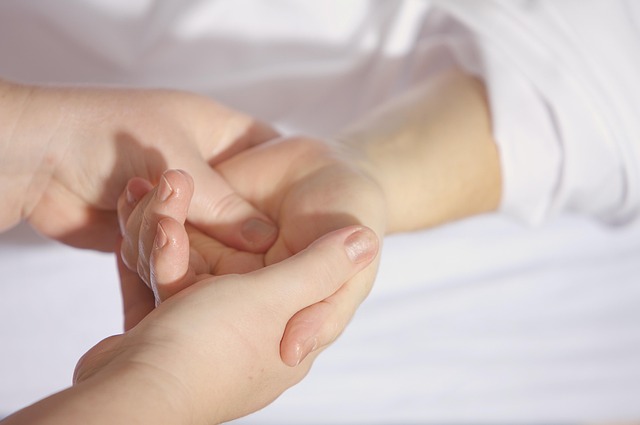
Reduces Stress and Anxiety
Calm breathing eases tension and anxiety by slowing the heartbeat.
Improves Physical Health
Natural gifts include relaxed muscles, improved immunity, and lowered blood pressure.
Enhances Emotional Wellbeing
Joy flows and sorrow softens when one is relaxed.
Boosts Sleep Quality
Dreams come like soft lullabies when the mind is at ease.
Different Types of Relaxation Therapy
Deep Breathing Techniques
Deep breathing is similar to taking courage from the cosmos. Every inhalation gives you vitality, and every exhalation relieves anxiety.
Progressive Muscle Relaxation
Tighten, then let go—like rising and falling waves. The body learns to let go through this practice.
Guided Imagery
Shut your eyes and imagine yourself wandering through serene rivers, forests, or seas. Imagination turns into a therapeutic medium.
Meditation and Mindfulness
Quietness is not meaningless; it contains answers. Being mindful helps us stay rooted in the here and now, which is where peace is found.
Aromatherapy
The aroma of jasmine, sandalwood, or lavender can release inner peace.
Yoga and Movement
Every posture turns into a step toward calm, and every stretch into a prayer.
Music and Sound Therapy
Tension is released by chanting vibrations or soft melodies that realign the inner spirit.
How Relaxation Therapy Works
The parasympathetic nervous system—the body’s “rest and digest” mode—is activated by relaxation therapy. This slows the heart, lowers cortisol, and brings the body back into balance. It is the link between science and peace.
Relaxation Therapy for Stress Management
Relaxation therapy relieves mental fatigue like a salve for sore wounds. It reminds us that stress is a guest, not a permanent one, and replaces confusion with clarity.
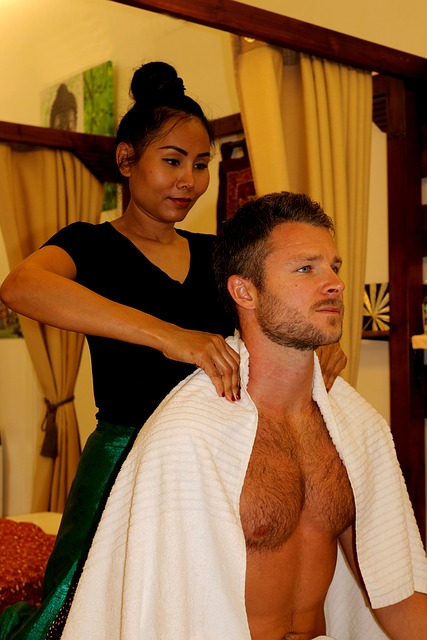
Relaxation Therapy for Physical Healing
Relaxation promotes healing by improving circulation and reducing inflammation, which helps with everything from chronic pain to exhaustion. The body can heal when the mind is at ease.
The Role of Nature in Relaxation
Rustling leaves, ocean waves, and starry skies are all natural remedies that don’t require prescription drugs. A profound sense of calm is evoked by listening to rain or strolling barefoot on grass.
Relaxation and Emotional Balance
Relaxation therapy can be compared to a kind companion who supports you during difficult times. It calms anger, balances emotions, and creates room for kindness and love to flourish.
Common Obstacles to Relaxation
Digital distractions, hectic schedules, and restless minds frequently prevent us from getting enough sleep. However, like water or sleep, relaxation is a necessity rather than a luxury.
Practical Tips for Practicing Relaxation Daily
- Take five minutes to breathe deeply in silence.
- Write three things you’re grateful for before bed.
- Spend time in sunlight or near trees.
- Disconnect from screens and reconnect with yourself.
Relaxation Therapy in Professional Settings
These days, workplaces use stress-reduction seminars, wellness areas, and meditation breaks to promote relaxation therapy. Organizations with calm workers are stronger and healthier.
Relaxation Therapy Across Different Age Groups
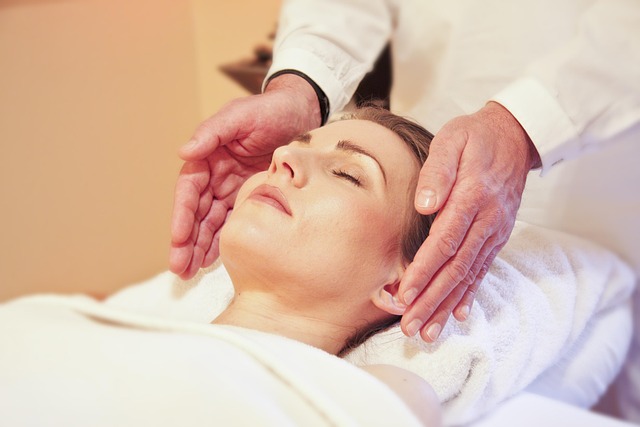
- Children learn to calm anxiety through playful breathing and stories.
- Adults use relaxation to manage stress and responsibility.
- Elders find comfort and healing through meditation and gentle practices.
Conclusion: Embracing Calm as a Way of Life
More than a passing fad, relaxation therapy is a way of life, a commitment to respecting your body and spirit. The key to healing is found in the quiet of stillness and the soft rhythm of breathing. To unwind is to go back to your roots, to tranquility, to life.
FAQs
1. what is relaxation therapy ?
A therapeutic technique that lowers stress, soothes the mind, and releases physical tension is relaxation therapy. To regain equilibrium, it employs methods like guided imagery, deep breathing, meditation, and muscle relaxation. This treatment reduces anxiety while enhancing sleep, concentration, and emotional health. Finding inner peace in the midst of everyday chaos is its core.
2. what is relaxation massage therapy?
The goal of relaxation massage therapy is to calm the body and mind with a gentle, calming technique. It facilitates deep relaxation, enhances blood circulation, and eases tense muscles with fluid, flowing strokes. This therapy improves general wellbeing, reduces stress, and eases anxiety. In contrast to deep tissue massage, it places an emphasis on relaxation, comfort, and healing in a calm manner, leaving you feeling renewed and revitalized.
3. how to do relaxation therapy?
Progressive muscle relaxation, yoga, meditation, and deep breathing are all methods of relaxation therapy. Locate a peaceful area, close your eyes, and concentrate on taking deep, slow breaths. Relax each muscle individually to relieve tension in your body. It also helps to practice mindfulness or listen to relaxing music. For long-lasting peace, consistency is essential; make it a daily routine.
4. what is relaxation therapy in psychology?
In psychology, relaxation therapy is a therapeutic approach that calms the mind and body to help people feel less stressed, anxious, and tense. It makes use of methods like progressive muscle relaxation, visualization, deep breathing, and meditation. This therapy is a useful tool for managing common psychological difficulties because it fosters emotional equilibrium, reduces negative thoughts, and improves general mental health.
5. What is the main goal of relaxation therapy?
Its goal is to reduce stress, restore balance, and promote overall wellbeing.
6. How often should I practice relaxation techniques?
Daily practice, even for 10–15 minutes, brings powerful long-term benefits.
7. Can relaxation therapy help with insomnia?
Yes, techniques like meditation and deep breathing improve sleep quality.
8. Is relaxation therapy safe for everyone?
Yes, it is gentle and safe, adaptable to all age groups.
9. What’s the quickest relaxation method during stress?
Deep breathing and mindfulness can bring calm within just a few minutes.
Please don’t forget to leave a review.
Leave a Reply