

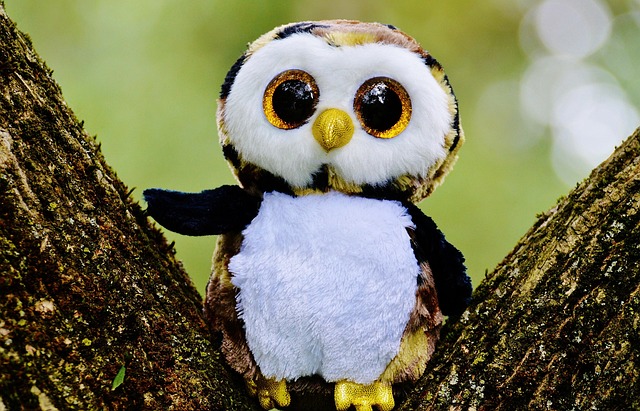
Hobbies and toys Online sales of collectibles, board games, puzzles, action figures, and craft kits are known as e-commerce. In order to satisfy customers, it is necessary to choose popular products, manage inventory, create an interesting website, use efficient marketing, and guarantee prompt delivery.
- e-commerceHere’s a point-to-point detailed syllabus for starting a Toys & Hobbies E-Commerce business on a low budget. I’ve structured it like a step-by-step guide so you can follow it practically:
1. Business Idea & Niche Selection
- games, orDecide which toys & hobbies category to focus on: educational toys, action figures, DIY kits, board games, collectibles.
- Analyze demand and trends using Google Trends, Amazon Bestsellers, and social media insights.
- Select a niche that is profitable yet low competition.
2. Market Research
- hobbyists, andIdentify target audience: kids, parents, hobbyists, collectors.
- range, andStudy competitors: pricing, product range, marketing strategies.
- websites.Understand buying behavior: online marketplaces vs. direct website.
3. Business Model
- The supplierDropshipping: No inventory needed. Supplier ships directly.
- Small inventory model: Buy few products, store at home/warehouse.
- the profitDecide profit margin based on product cost and market price.
4. Legal Registration
- a sole proprietor/LLP/private limitedRegister your business as Sole Proprietor / LLP / Private Limited (depending on future scale).
- the threshold.Get GST registration if selling in India above threshold.
- Ensure compliance with e-commerce laws.
5. Domain & Hosting
- Buy a domain name reflecting your brand.
- for yourChoose affordable hosting for website or use Shopify/WooCommerce.
6. E-Commerce Platform
- Low-budget options:
- Shopify Lite or WooCommerce (WordPress plugin)
- Amazon, Flipkart, Meesho for marketplace sales
- Compare fees and ease of use.
7. Website Design & Development
- Use free or low-cost themes/templates.
- options, and aInclude product categories, a search bar, payment options, contact page.
- Ensure mobile-friendly design.
8. Product Catalog
- Source products from local suppliers, AliExpress, or Indian wholesalers.
- costs.Focus on high-demand and small-sized items to reduce shipping cost.
- Write clear product descriptions, images, and specifications.
9. Pricing & Profit Margins
- Cost of product + shipping + marketing + platform fee.
- earn aDecide on a retail price to cover costs and earn 20–50% profit margin.
- Offer bundles or discounts to attract buyers.
10. Marketing Strategy
- Free/low-cost options:
- Social media pages (Instagram, Facebook, YouTube)
- WhatsApp groups, Telegram channels
- Influencer micro-collabs
- Paid options if budget allows: Facebook/Instagram Ads, Google Ads.
11. Customer Acquisition
- Offer first-order discounts or free shipping.
- videos, andCreate engaging content: toy demos, unboxing videos, DIY tutorials.
- Collect emails/WhatsApp numbers for future marketing.
12. Order & Inventory Management
- Track orders using Excel, Google Sheets, or free software.
- Keep a small inventory to avoid overstocking.
- Coordinate with suppliers for timely dispatch.
13. Payment Methods
- Integrate UPI, credit/debit cards, PayPal, and wallet payments.
- Consider cash on delivery if targeting local buyers.
14. Packaging & Shipping
- Use lightweight, protective packaging to reduce cost.
- Partner with local courier services or India Post for cheap delivery.
- Include thank-you notes or small gifts to enhance the experience.
15. Customer Service & CRM
- Respond to inquiries promptly on WhatsApp, email, or chat.
- Offer an easy return/exchange policy to build trust.
- Collect reviews and feedback for credibility.
16. Scaling & Expansion
- After initial sales, expand the product range.
- Consider private label or your own brand.
- Use analytics to identify top-selling items and repeat buyers.
17. Automation Tools (Optional)
- Free tools for efficiency:
- Canva for social media graphics
- Hootsuite for post scheduling
- Zoho CRM free plan for tracking customers
18. Continuous Improvement
- Track sales, expenses, and profits monthly.
- Experiment with new marketing strategies.
- Keep updating products based on market trends.
- For starting an E-Commerce business in Toys & Hobbies, you’ll need several documents to operate legally, manage payments, and ensure smooth logistics. Here’s a detailed list:
1. Business Registration Documents
- Proprietorship: GST registration, PAN card of owner.
- Partnership: Partnership deed, PAN card of partners, GST registration.
- Private Limited/LLP: Certificate of Incorporation, PAN card, GST registration.
2. Tax Documents
- PAN Card (Personal or Business)
- GST Registration (mandatory for online selling in India)
- Income Tax Returns (for credibility, especially for sellers on marketplaces)
3. Bank & Payment Setup Documents
- Current Bank Account in business name
- Cancelled Cheque or Bank Statement for verification
- UPI or Payment Gateway Documents (KYC documents like PAN, Aadhaar, Address Proof)
4. Seller & Marketplace Documents
- Address Proof (Electricity Bill, Rent Agreement, or Aadhar)
- Photo ID Proof (Aadhar, PAN, Passport)
- Product Authorization (if selling branded toys, get authorization from brands)
5. Import/Export Documents (if applicable)
- IEC (Import Export Code) from DGFT
- Custom Clearance documents for imported toys
6. Compliance Certificates
- BIS Certification (for toys as per IS 9873 standard in India)
- Safety Certificates (for toy safety, e.g., chemical compliance, choking hazard compliance)
7. Other Optional Documents
- Trademark Registration (if selling your own branded toys)
- FSSAI License (if any toys are food-related or edible)
- Certainly! Here’s a curated list of reputable suppliers for Toys & Hobbies products, suitable for e-commerce businesses, including dropshipping and wholesale options:
🔹 Top Dropshipping Suppliers for Toys & Hobbies
- AliExpress
- Overview: A leading platform connecting sellers with manufacturers, offering a vast range of toys and hobbies products.
- Notable Supplier: Top Toys & Hobbies Co., Ltd – Specializes in action figures, diecast cars, and RC toys. (FindNiche)
- CJ Dropshipping
- Overview: Provides a comprehensive catalog of toys, including educational toys, drones, and plush items, with integrated order fulfillment services. (Dropship.it)
- Spocket
- Overview: Connects e-commerce stores with suppliers from the US and EU, offering faster shipping times for toys and hobby products. (SimiCart Blog)
- Syncee
- Overview: A global B2B marketplace offering a wide selection of toys and hobby products from verified suppliers, with automated product syncing features. (EPROLO)
- SaleHoo
- Overview: An online directory of verified suppliers, providing access to a range of toys and hobbies products for dropshipping and wholesale. (SaleHoo)
🔹 Wholesale Suppliers for Bulk Purchasing
- Wholesale Central
- Overview: A B2B directory offering a wide range of toy and hobby suppliers, suitable for bulk purchasing and reselling. (Wholesale Central)
- Worldwide Brands
- Overview: Provides a directory of certified wholesalers, including those specializing in toys and hobbies, ideal for bulk buying. (Wikipedia)
- Entertainment Earth
- Overview: Specializes in licensed collectibles, action figures, and pop culture merchandise, suitable for niche toy markets. (Wikipedia)
🔹 Notable Toy Manufacturers
- Moose Toys
- Overview: An Australian-owned company known for brands like Shopkins and Real Littles, offering a range of collectible toys. (Wikipedia)
- Juguetilandia
- Overview: A Spanish toy manufacturer offering a diverse range of products, including educational toys and outdoor games. (Wikipedia)
🔹 Trade Shows for Networking
- Spielwarenmesse (Nuremberg International Toy Fair)
- Overview: The world’s leading toy trade fair, held annually in Nuremberg, Germany, offering opportunities to connect with global toy manufacturers and suppliers. (Wikipedia)
- Certainly! Here’s a table listing some of the top e-commerce platforms in the Toys & Hobbies category, along with their estimated rank and user count:
| Rank | Platform | Estimated Monthly Visitors |
|---|---|---|
| 1 | Amazon | 11M–20M |
| 2 | Hobby Lobby | 11M–20M |
| 3 | Temu | 11M–20M |
| 4 | Michaels | 21M–30M |
| 5 | JOANN Shoppers | 11M–20M |
| 6 | Sanrio | 501K–1M |
| 7 | Tiffany & Co. | N/A |
| 8 | American Girl | N/A |
| 9 | Kidrobot | N/A |
| 10 | Toynk Toys | N/A |
Sources:
- AfterShip’s Top 100 Online Toys & Hobbies Stores in United States 2025 (AfterShip)
- e-Tailize’s Top 30 Marketplaces for Toys and Games (e-tailize)
- Here’s a detailed list of packing materials commonly used in Toys & Hobbies e-commerce:
- Cardboard Boxes – Sturdy boxes for shipping toys safely. Choose sizes according to product dimensions.
- Bubble Wrap – Protects fragile toys from damage during transit.
- Packing Peanuts / Foam – Fills empty spaces inside boxes to prevent movement.
- Corrugated Sheets – Adds extra protection for delicate or collectible items.
- Kraft Paper / Tissue Paper – Wraps toys gently to prevent scratches.
- Plastic Air Pillows – Lightweight cushion for void filling and protection.
- Poly Bags / Zip-lock Bags – For small parts, accessories, or sets.
- Stretch Film / Shrink Wrap – Secures multiple items together or protects from dust and moisture.
- Sealing Tape / Packing Tape – Strong tape to close boxes securely.
- Label Stickers / Shipping Labels – For shipping information and branding.
- Gift Boxes or Pouches – Optional for premium toys or gift packaging.
- Here’s a detailed list of common problems faced in the Toys & Hobbies E-Commerce sector.
- High Competition – Many sellers compete in the same niche, making it hard to stand out.
- Inventory Management – Keeping track of stock levels for multiple toy categories can be challenging.
- Seasonal Demand – Sales often spike during holidays and drop in off-seasons, affecting cash flow.
- Shipping Challenges – Fragile toys and large hobby items require careful packaging and reliable logistics.
- Product Returns – Customers may return items due to defects or mismatch with expectations, increasing costs.
- Pricing Pressure – Competitors may offer lower prices, leading to reduced profit margins.
- Customer Trust – Parents or collectors want assurance about product safety and authenticity.
- Regulatory Compliance – Toys must meet safety standards and certifications, which adds complexity.
- Website Performance – Slow or poorly designed websites can reduce sales and customer satisfaction.
- Marketing Costs – Advertising to attract the right audience can be expensive.
- Counterfeit Products – Fake or low-quality toys can damage brand reputation.
- Limited Brand Loyalty – Many customers make one-time purchases instead of repeat buying.
- International Shipping Issues – Customs, taxes, and delivery delays affect global sales.
- Difficulty in Product Differentiation – Unique or innovative toys are needed to stand out in the market.
- Here’s a detailed list of common problems in the Toys & Hobbies e-commerce sector along with their solutions.
1. Problem: Product Quality Issues
- Solution: Source toys from verified manufacturers, check certifications (like CE or ASTM), conduct quality inspections before listing, and allow customer reviews for transparency.
2. Problem: High Competition
- Solution: Differentiate your store with unique products, bundles, or exclusive items. Focus on branding, niche categories, or targeted marketing campaigns.
3. Problem: Shipping Delays
- Solution: Partner with reliable logistics providers, provide real-time tracking, offer multiple shipping options, and communicate delays promptly to customers.
4. Problem: Inventory Management
- Solution: Use inventory management software to track stock, forecast demand, avoid overstocking or stockouts, and automate reordering processes.
5. Problem: Returns and Refunds
- Solution: Implement a clear return/refund policy, inspect returned products carefully, and provide easy return labels or pickups to improve customer trust.
6. Problem: Safety Concerns
- Solution: Sell only age-appropriate, certified products. Provide clear instructions and warnings. Monitor customer feedback for any safety complaints.
7. Problem: Payment Failures
- Solution: Offer multiple payment options (cards, UPI, wallets, COD), secure payment gateways, and provide step-by-step payment instructions for customers.
8. Problem: Low Customer Engagement
- Solution: Use social media, email marketing, and loyalty programs. Share engaging content like toy reviews, unboxing videos, and hobby tutorials.
9. Problem: Fake Reviews or Low Trust
- Solution: Encourage verified reviews, display authentic customer testimonials, and respond to feedback professionally to build credibility.
10. Problem: High Return Rates for Wrong Size or Type
- Solution: Provide detailed product descriptions, images, and videos. Include size guides, age recommendations, and hobby level indicators.
11. Problem: Difficulty in Finding Niche Products
- Solution: Research market trends, attend toy expos, collaborate with small manufacturers, and use dropshipping for hard-to-source items.
12. Problem: Seasonal Demand Fluctuations
- Solution: Prepare for peak seasons with pre-orders, limited-time offers, and seasonal discounts. Diversify product range to maintain sales year-round.
- Here’s a clear explanation of profit and loss calculation for an e-commerce business like Toys & Hobbies.
1. Key Terms
- Cost Price (CP): The price you paid to buy the product (including shipping, taxes, etc.).
- Selling Price (SP): The price at which you sell the product to the customer.
- Profit: When SP > CP.
- Loss: When SP < CP.
2. Formulas
- Profit Calculation
Profit=Selling Price (SP)−Cost Price (CP)\text{Profit} = \text{Selling Price (SP)} – \text{Cost Price (CP)} Profit Percentage (%)=(ProfitCost Price)×100\text{Profit Percentage (\%)} = \left( \frac{\text{Profit}}{\text{Cost Price}} \right) \times 100
- Loss Calculation
Loss=Cost Price (CP)−Selling Price (SP)\text{Loss} = \text{Cost Price (CP)} – \text{Selling Price (SP)} Loss Percentage (%)=(LossCost Price)×100\text{Loss Percentage (\%)} = \left( \frac{\text{Loss}}{\text{Cost Price}} \right) \times 100
3. Example
Scenario:
- Cost Price of a toy = ₹500
- Selling Price = ₹600
Profit: Profit=600−500=₹100\text{Profit} = 600 – 500 = ₹100 Profit %=100500×100=20%\text{Profit \%} = \frac{100}{500} \times 100 = 20\%
Scenario 2 (Loss):
- Cost Price of a toy = ₹500
- Selling Price = ₹450
Loss: Loss=500−450=₹50\text{Loss} = 500 – 450 = ₹50 Loss %=50500×100=10%\text{Loss \%} = \frac{50}{500} \times 100 = 10\%
4. Tips for E-Commerce
- Always include shipping, taxes, and packaging in your Cost Price.
- Track discounts, offers, and returns when calculating real profit.
- Use a spreadsheet for multiple products to calculate total profit/loss easily.
- Here’s a detailed explanation in English about how to receive payments in a Toys & Hobbies e-commerce business:
1. Choose a Payment Method
You need to decide which payment methods you want to offer to your customers. Common options include:
- Credit/Debit Cards (Visa, MasterCard, American Express)
- Digital Wallets (PayPal, Google Pay, Apple Pay, PhonePe, Paytm)
- Net Banking
- Cash on Delivery (COD) – especially popular for e-commerce in India
- UPI Payments
2. Set Up a Payment Gateway
A payment gateway is a service that processes online payments securely. Steps:
- Select a payment gateway provider (e.g., Razorpay, PayPal, Stripe, Instamojo, PayU).
- Create a business account with them.
- Provide required documents (bank account details, business registration proof, PAN card, GST if applicable).
- Integrate the gateway into your e-commerce website or app (usually via plugin or API).
3. Link to Your Bank Account
- All received payments are transferred to your business bank account.
- Ensure your bank account details match the ones used during payment gateway registration.
- Some gateways transfer money daily, weekly, or after a minimum payout threshold.
4. Test the Payment System
- Make a test transaction to ensure everything works smoothly.
- Check if payment confirmation emails and order notifications are sent correctly.
5. Payment Confirmation & Order Processing
- Once a customer pays, you receive a notification of the payment.
- Confirm the order and start the shipping process.
- Maintain records of all transactions for accounting and taxes.
6. Handle Refunds and Returns
- Set up a process for refunds through your payment gateway.
- Refunds may take a few business days depending on the method used.
7. Security & Compliance
- Ensure SSL certificates are installed on your website to encrypt payment data.
- Follow PCI-DSS compliance guidelines to keep customer payment information safe.
💡 Tip: Offering multiple payment options increases trust and sales. COD is still highly preferred in India, but digital payments are faster and more secure.
- Here’s a detailed explanation on how to claim a return in an e-commerce business for the Toys & Hobbies category:
Step-by-Step Guide to Claim a Return
- Check Return Policy
- Review the e-commerce store’s return policy before initiating a return.
- Note conditions such as the return window (e.g., 7–30 days), product condition (unused, original packaging), and any exceptions (personalized toys, clearance items).
- Log in to Your Account
- Sign in to the e-commerce website or app where you purchased the toy.
- Go to ‘My Orders’ or ‘Order History’ section.
- Select the Product for Return
- Find the order containing the toy you want to return.
- Click ‘Return/Replace’ or ‘Request Return’ next to the product.
- Choose the Reason for Return
- Select the reason from the available options (e.g., damaged, wrong product, not as described, defective, or no longer needed).
- Provide any additional details if required.
- Upload Supporting Evidence (if needed)
- If the item is defective or damaged, upload photos or videos showing the issue.
- This helps the e-commerce team process your return faster.
- Select Refund or Replacement
- Choose whether you want a refund, replacement, or store credit, if the platform allows.
- Schedule Pickup or Drop-off
- Some platforms provide home pickup for the return, while others may require you to drop off at a designated location.
- Confirm the pickup date and ensure the package is ready.
- Pack the Product Properly
- Use original packaging, if possible, to avoid damage during transit.
- Include all accessories, manuals, and tags.
- Track the Return Process
- After sending the product, track the return status in your account.
- Most platforms will notify you when the return is received and processed.
- Receive Refund or Replacement
- Once the product is inspected, you will receive a refund to your original payment method or a replacement as per your request.
- Refunds usually take 3–10 business days, depending on the payment method.
Leave a Reply