

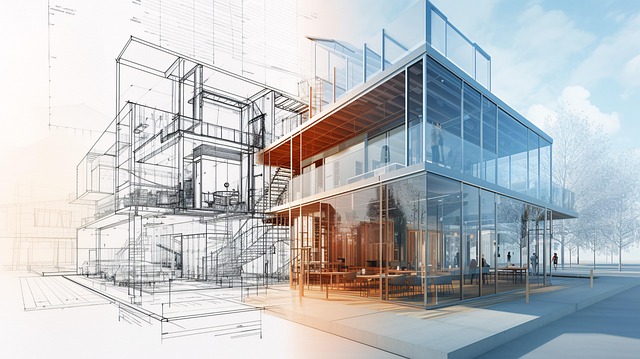
For futuristic city transformations around the world, urban infrastructure—which includes highways, metro projects, airports, and bridges—attracts billion-dollar government contracts and private investments.
🏗️ Roadmap for Starting an Urban Infrastructure Development Business
1. Business Idea & Niche Selection
- Decide whether you will focus on construction, smart cities, real estate, roads & highways, renewable energy infrastructure, or utilities.
- Identify your specialization (e.g., residential, commercial, public infrastructure, or mixed projects).
2. Market Research & Feasibility Study
- Study urban growth trends, government development plans, and smart city projects.
- Analyze competitors, demand for infrastructure, and future opportunities.
- Conduct feasibility studies on location, population density, and investment potential.
3. Business Model & Planning
- Choose your model: construction contractor, infrastructure developer, PPP (Public-Private Partnership), or consultancy firm.
- Prepare a detailed business plan including capital needs, project timelines, and revenue projections.
4. Legal Structure & Registration
- Register the business as a private limited company, LLP, or partnership.
- Obtain mandatory licenses:
- Construction License
- Real Estate Regulatory Authority (RERA) Registration (if applicable)
- Pollution & Environmental Clearances
- Local Municipal Permissions
- Register for GST, PAN, and professional tax.
5. Finance & Funding
- Calculate startup capital for land acquisition, materials, equipment, and workforce.
- Explore funding sources:
- Bank loans
- Infrastructure development funds
- Government subsidies
- Private investors or joint ventures
6. Land Acquisition & Permissions
- Acquire suitable land legally with clear titles.
- Get zoning approvals, environmental clearance, and building permits.
- Comply with urban planning regulations of local authorities.
7. Infrastructure Design & Technology
- Hire architects, engineers, and urban planners.
- Use modern construction technology (BIM, AI, and green building methods).
- Focus on sustainable & smart solutions like solar energy, water recycling, and digital infrastructure.
8. Vendor & Supply Chain Setup
- Partner with suppliers of cement, steel, machinery, and raw materials.
- Build contracts with equipment rental companies.
- Develop a reliable logistics network for timely delivery.
9. Workforce & Team Building
- Hire civil engineers, project managers, architects, and skilled laborers.
- Provide safety training and compliance.
- Build partnerships with consultants, subcontractors, and legal advisors.
10. Project Execution & Management
- Divide projects into phases: design, foundation, construction, finishing, and handover.
- Use project management tools for scheduling and cost tracking.
- Ensure compliance with safety and quality standards.
11. Marketing & Client Acquisition
- Build a professional website and portfolio showcasing completed projects.
- Network with government bodies, real estate developers, and investors.
- Participate in infrastructure expos and industry events.
- Offer competitive pricing and highlight sustainability & smart solutions.
12. Government & PPP Opportunities
- Bid for government infrastructure tenders (roads, bridges, metro, smart cities).
- Explore PPP projects for long-term contracts.
- Stay updated with government schemes and policies in infrastructure.
13. Risk Management & Compliance
- Address risks like delays, cost overruns, labor issues, and environmental challenges.
- Take insurance for workers, equipment, and projects.
- Maintain strict legal, tax, and audit compliance.
14. Growth & Expansion
- Diversify into new sectors: renewable energy, water supply, waste management, or IT infrastructure.
- Scale operations to multiple cities and states.
- Attract international investors for large-scale urban development projects.
✅ This roadmap covers all essential points from planning to scaling an urban infrastructure development business.
- urban infrastructure development business.Here’s a point-to-point detailed roadmap for starting and successfully running an Urban Infrastructure Development Business.
1. Business Idea & Scope
Define your core focus: real estate projects, smart city solutions, public utilities, urban transport, or green infrastructure. Analyze urban challenges like housing shortages, traffic congestion, and sanitation issues. Choose whether to work with government projects (PPP model) or private urban developers. Clarity in scope ensures you set the right foundation for growth.
2. Market Research & Feasibility Study
Conduct deep research on urban needs, future growth areas, and government infrastructure plans. Analyze competitors, financial feasibility, demand–supply gap, and community requirements. Collect data on population growth, urban migration, and land availability. A solid feasibility study reduces risks and increases investor confidence.
3. Legal Registration & Compliance
Register your business as a private limited, LLP, or corporation. Obtain mandatory licenses: Real Estate Regulatory Authority (RERA), environmental clearances, land acquisition permissions, and construction permits. Comply with labor laws, safety standards, and sustainability rules. Legal structure and compliance protect you from disputes, fines, and project delays.
4. Funding & Financial Planning
Urban infrastructure requires heavy capital. Explore multiple funding sources: private investors, bank loans, venture capital, or government schemes under the Smart City Mission or AMRUT. Develop a strong financial plan with cost estimates, ROI projections, and repayment schedules. Financial clarity ensures continuous cash flow and project sustainability.
5. Project Planning & Management
Use advanced project management techniques for timelines, budgeting, and risk handling. Break down large projects into manageable phases: design, approval, procurement, and execution. Use modern tools like BIM (Building Information Modeling) and ERP software. Proper planning avoids delays and cost overruns and ensures smooth workflow.
6. Infrastructure & Technology Integration
Adopt modern construction technologies like precast structures, green building materials, IoT-based monitoring, and AI-driven smart city planning. Implement renewable energy, smart waste management, and digital mapping for efficient operations. Technology enhances productivity, reduces costs, and makes urban spaces sustainable.
7. Skilled Workforce & Partnerships
Hire qualified engineers, architects, planners, project managers, and legal advisors. Build partnerships with construction companies, technology providers, and government bodies. Skilled manpower and strong partnerships ensure quality, timely delivery, and large-scale project execution.
8. Sustainability & Green Practices
Focus on eco-friendly infrastructure: rainwater harvesting, solar power, waste recycling, and energy-efficient buildings. Follow LEED or GRIHA certification standards for green projects. Sustainable practices reduce environmental impact and attract global investors.
9. Marketing & Business Development
Promote your brand as an innovative and sustainable infrastructure developer. Create strong relationships with government agencies, real estate developers, and corporate clients. Use digital platforms, exhibitions, and trade fairs to showcase your projects. A powerful marketing strategy builds trust and secures large contracts.
10. Monitoring & Continuous Improvement
Regularly monitor project progress with KPIs like cost efficiency, on-time delivery, and quality. Collect feedback from stakeholders and improve operational methods. Invest in training, R&D, and advanced tools for continuous growth. Continuous improvement ensures long-term success and market leadership.
Leave a Reply