

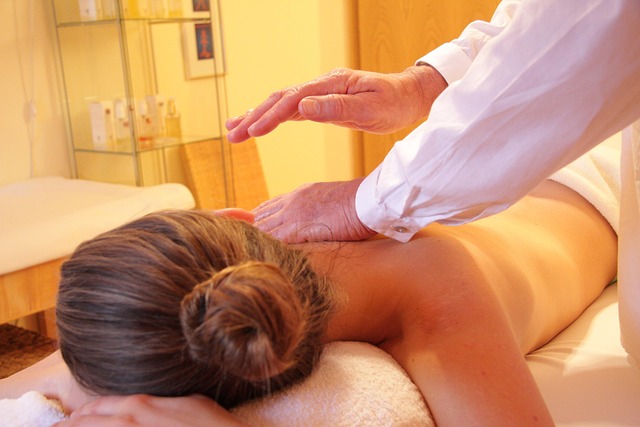
These companies provide travel experiences emphasizing self-care and renewal. This can include spa vacations, medical tourism, and yoga retreats.
Absolutely, Lokesh! Here’s a step-by-step roadmap syllabus for starting and running a Wellness Tourism & Retreats Business, structured like a business course outline. Each step is actionable and easy to follow:
Wellness Tourism & Retreats Business Roadmap Syllabus
Module 1: Introduction to Wellness Tourism
- Understanding wellness tourism and retreat trends
- Types of retreats: yoga, meditation, ayurveda, spa, detox, holistic wellness
- Global and local market overview
- Target audience segmentation
Module 2: Business Planning
- How to choose your niche and location
- SWOT analysis (Strengths, Weaknesses, Opportunities, Threats)
- Budget planning and financial forecasting
- Revenue models: packages, memberships, corporate programs
- Short-term and long-term goal setting
Module 3: Legal Setup & Compliance
- Business registration: Proprietorship, LLP, or Private Limited
- Required licenses: tourism, wellness, spa, healthcare, food safety
- Health and safety compliance (local and international standards)
- Insurance and liability considerations
Module 4: Location & Infrastructure Development
- Site selection criteria: nature, accessibility, serenity
- Eco-friendly and sustainable design principles
- Retreat infrastructure: accommodation, yoga/meditation halls, spa rooms, organic kitchen
- Interior, ambiance, and wellness-focused design
Module 5: Program & Service Design
- Designing retreat packages and daily schedules
- Integration of wellness activities: yoga, meditation, nutrition, spa, nature walks
- Custom programs for individuals, groups, and corporate clients
- Special seasonal or thematic retreats
Module 6: Staffing & Team Management
- Recruiting qualified trainers, therapists, nutritionists, and hospitality staff
- Staff training, certifications, and continuous skill improvement
- Building a culture of empathy, professionalism, and guest-centric service
- Performance evaluation and retention strategies
Module 7: Marketing & Branding
- Branding: creating a unique identity and USP (Unique Selling Proposition)
- Digital marketing: website, SEO, social media, email campaigns, video content
- Collaboration with influencers, wellness bloggers, and travel agencies
- Promotional strategies: free workshops, retreats, and referral programs
Module 8: Partnerships & Networking
- Partnering with airlines, hotels, corporate wellness programs
- Collaboration with healthcare institutions, yoga schools, and NGOs
- Building a referral network with local communities and organic suppliers
- Attending global wellness tourism events and associations
Module 9: Customer Experience & Retention
- Guest onboarding and personalized care
- Wellness tracking and reporting
- Collecting and implementing guest feedback
- Loyalty programs, follow-ups, and community building
Module 10: Technology & Operations
- Booking software, payment systems, and online reservations
- Virtual wellness retreats and online workshops
- Guest management systems and digital marketing tools
- Monitoring KPIs: occupancy rate, revenue per guest, satisfaction score
Module 11: Financial Management & Growth
- Cost control, pricing strategies, and profit margins
- Funding options: self-funding, loans, investors, grants
- Expanding services: new retreats, locations, or online programs
- Scaling while maintaining quality and guest satisfaction
Module 12: Sustainability & Long-Term Strategy
- Implementing eco-friendly practices: solar energy, organic farming, waste management
- Promoting local culture and community involvement
- Innovation in wellness services and offerings
- Continuous evaluation, improvement, and global positioning
This syllabus gives you a complete roadmap from concept to running and scaling a successful wellness retreat business, step by step, like a professional course you can follow.
- Here’s a step-by-step guide in English for starting and successfully running a Wellness Tourism & Retreats business.
1. Identify Your Niche
Choose the type of wellness retreat you want to offer, such as yoga, meditation, ayurveda, spa, detox, or holistic healing. Defining a clear niche helps attract the right audience who resonate with your services. Focus on authenticity and uniqueness so guests feel your retreat is offering something valuable and different compared to general tourism options in the market.
2. Market Research & Target Audience
Conduct detailed research to understand demand, trends, and customer behavior. Identify your target audience: corporate professionals, spiritual seekers, fitness enthusiasts, or travelers seeking stress relief. Analyze competitors in your region and globally. Learn about their services, pricing, and customer engagement strategies. This data helps you position your retreat strongly and tailor services that meet exact customer needs while ensuring long-term sustainability and growth.
3. Business Plan Development
Create a structured business plan covering investment, location, services, operations, pricing, and revenue model. Define short-term and long-term goals. Include marketing strategies, staffing needs, legal compliance, and projected ROI. A clear plan also helps when approaching investors or applying for loans. Keep flexibility to adapt with wellness trends, as the industry is constantly evolving with new approaches like digital detox, sound healing, and eco-wellness.
4. Legal Registration & Licenses
Register your business under the appropriate structure (Private Limited, Partnership, or Proprietorship). Obtain necessary licenses related to tourism, hospitality, wellness, and healthcare. Depending on your services, you may require spa therapy certifications, ayurveda licenses, or food safety approvals. Ensure compliance with health and safety standards to gain trust. Legal structure and transparency are crucial for building credibility with both clients and international travel agencies.
5. Location & Infrastructure Setup
Choose a serene, accessible, and natural location such as mountains, beaches, forests, or countryside. The environment should itself promote wellness and relaxation. Design eco-friendly accommodations, meditation halls, yoga decks, organic restaurants, and spa treatment rooms. Use sustainable architecture, natural materials, and scenic surroundings. Comfortable infrastructure, combined with a natural setting, significantly enhances the guest experience and makes your retreat stand out in the competitive wellness tourism market.
6. Qualified Staff & Experts
Hire certified yoga trainers, meditation coaches, nutritionists, therapists, spa specialists, and hospitality staff. Their qualifications, professionalism, and empathy create trust among participants. Offer regular training to upgrade their skills with modern wellness practices. A blend of traditional therapies and modern expertise ensures better client satisfaction. Friendly, knowledgeable, and well-trained staff make guests feel comfortable, cared for, and more likely to return or recommend your retreat.
7. Unique Programs & Packages
Develop wellness programs like 7-day yoga retreats, weekend detox camps, mindfulness workshops, corporate wellness programs, or ayurvedic healing stays. Combine activities such as organic cooking, nature walks, meditation sessions, and cultural experiences. Packages should balance relaxation, learning, and rejuvenation. Offer both premium and affordable options to target varied groups. Clearly define benefits and outcomes so customers feel motivated to invest their time and money in your retreat.
8. Marketing & Branding
Build a strong online presence through a professional website, social media, blogs, and wellness travel platforms. Share high-quality visuals, testimonials, and success stories. Collaborate with travel agencies, influencers, and wellness bloggers to attract international clients. Highlight your retreat’s unique benefits and cultural experiences. Good branding builds trust and emotional connection. A consistent marketing strategy ensures strong visibility, repeat bookings, and global recognition in the competitive wellness tourism sector.
9. Partnerships & Networking
Collaborate with airlines, hotels, travel agencies, yoga schools, and healthcare institutions. Build partnerships with insurance companies offering wellness packages, or corporations looking for employee wellness solutions. Networking with local communities, organic farmers, and tourism boards adds authenticity. Partnerships extend your reach, provide referrals, and reduce marketing costs. Being part of global wellness tourism associations also increases credibility and attracts more international travelers seeking reliable retreat services.
10. Customer Experience & Feedback
Deliver personalized care and attention to each guest. Focus on cleanliness, safety, quality food, and comfortable accommodation. Offer a welcoming environment that promotes relaxation. Collect feedback regularly to understand strengths and areas of improvement. Positive experiences turn into word-of-mouth marketing, testimonials, and repeat bookings. Building strong customer relationships ensures brand loyalty. Satisfied guests become ambassadors, recommending your retreat to friends, family, and social media networks worldwide.
11. Technology Integration
Use booking software, mobile apps, and digital marketing tools to simplify operations. Implement wellness tracking apps for guests to monitor their progress. Virtual consultation services and online retreats can generate additional revenue streams. Technology also helps manage customer data, feedback, and promotions effectively. Digital tools make your retreat accessible to a global audience, especially in post-pandemic times where virtual wellness tourism is also becoming a growing trend.
12. Sustainability & Growth
Adopt eco-friendly practices like solar energy, organic farming, waste recycling, and plastic-free operations. Sustainability attracts eco-conscious travelers and strengthens your brand image. For growth, expand services gradually: add new locations, partner with international wellness brands, or launch online programs. Focus on continuous innovation, market trends, and customer needs. A sustainable, ethical, and customer-centric approach ensures long-term success in the wellness tourism and retreats industry.
Leave a Reply