

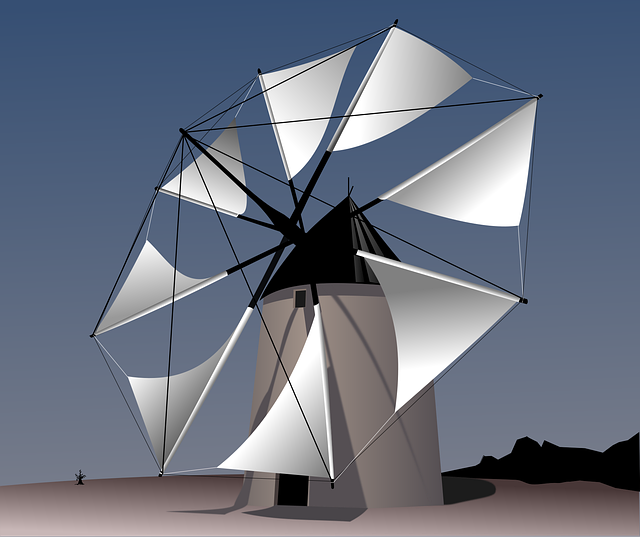
A renewable energy source, wind energy is produced by using wind turbines to transform the kinetic energy of the wind into electrical power. It lessens reliance on fossil fuels and is sustainable and clean. Wind energy, which is widely used globally, reduces carbon emissions, supports energy security, and encourages sustainability.
Here are 10 main uses of wind energy:
- Electricity Generation—Used in wind turbines to produce clean, renewable power for homes, industries, and businesses.
- Water Pumping—Traditional windmills and modern turbines can pump water for irrigation and livestock.
- Grinding Grain—Historically used in windmills to grind wheat, corn, and other crops into flour.
- Hydrogen Production—Wind energy helps generate hydrogen fuel through electrolysis.
- Remote Power Supply—Provides electricity in rural, island, and off-grid areas.
- Street Lighting—Wind-solar hybrid systems power streetlights in smart cities.
- Communication Towers – Used to supply electricity to telecom towers in remote areas.
- Industrial Applications – Powers small-scale industries, especially in windy regions.
- Desalination Plants—Provides energy for converting seawater into fresh water.
- Environmental Benefits – Reduces carbon emissions and dependence on fossil fuels.
- Wind energy systems are made up of several important parts that work together to generate electricity. Here are the main parts:
- Blades (Rotor Blades) – Capture the kinetic energy of the wind and rotate.
- Hub—Connects the blades and transfers their rotation to the shaft.
- Nacelle—The housing on top of the tower that contains key components.
- Gearbox—Increases the rotation speed from the blades to match the generator’s needs.
- Generator—Converts the mechanical energy from the rotor into electrical energy.
- Main Shaft—Connects the hub and the gearbox/generator.
- Brake System – Stops the rotor in emergencies or for maintenance.
- Yaw System – Rotates the nacelle so the blades face the wind direction.
- Tower – Supports the nacelle and rotor high above the ground to capture stronger winds.
- Anemometer & Wind Vane – Measure wind speed and direction to help the yaw system adjust.
- Controller—Starts/stops the turbine and ensures safe operation.
- Transformer—Converts the generated electricity to the right voltage for transmission.
Here’s a step-by-step guide on how you can start a wind energy business:
1. Market Research & Feasibility Study
- Analyze energy demand in your target area.
- Study government renewable energy policies, subsidies, and incentives.
- Check wind potential using wind maps or data from meteorological departments.
2. Business Model Selection
- Wind Farm Developer – Build large farms and sell power to the grid.
- Small/Community Wind Projects – Supply energy to local businesses, farms, or housing projects.
- Turbine Supplier/Installer – Sell and install wind turbines.
- Maintenance & Services—Provide operation and repair services for wind turbines.
3. Legal Registration & Licenses
- Register your company (private limited, LLP, or proprietorship).
- Obtain necessary licenses from state electricity boards and renewable energy agencies.
- Get environmental clearances and land approvals.
4. Site Selection
- Choose high-wind areas (minimum 6–7 m/s wind speed).
- Prefer coastal areas, open lands, or hilly regions.
- Ensure access to transmission lines for grid connectivity.
5. Financial Planning
- Estimate project cost (land, turbines, installation, operations).
- Explore funding options:
- Bank loans
- Government subsidies
- Private investors
- Green energy funds
6. Technology & Equipment
- Choose the right wind turbine (small, medium, or large scale).
- Partner with manufacturers for reliable equipment.
- Install monitoring systems for efficiency tracking.
7. Project Implementation
- Purchase or lease land.
- Install turbines with the help of engineering and construction firms.
- Set up grid connectivity or off-grid systems.
8. Operations & Maintenance
- Schedule regular maintenance to ensure maximum efficiency.
- Train staff for technical operations.
- Use AI/IoT solutions for performance monitoring.
9. Revenue Model
- Sell electricity to the government grid under Power Purchase Agreements (PPA).
- Supply directly to industries, businesses, and housing projects.
- Generate carbon credits and trade them.
10. Marketing & Growth
- Highlight eco-friendly benefits of wind energy.
- Build partnerships with governments, NGOs, and industries.
- Scale by adding more turbines or entering new regions.
Wind Energy Business Startup Document
1. Executive Summary
- Brief overview of the business idea.
- Mission & vision statements.
- Why wind energy (market opportunity, sustainability, profitability)?
- Key objectives (short-term and long-term).
2. Business Description
- Company name & structure (LLP, Pvt Ltd, Partnership, etc.).
- Nature of business (wind farm development, small-scale turbines, consulting, maintenance).
- Location & reasons for choosing it.
- Value proposition (clean energy, cost-saving, government incentives).
3. Market Research & Analysis
- Global and Indian wind energy industry outlook.
- Target market (residential, commercial, industrial, government).
- Competitor analysis.
- Customer demand trends (green energy adoption).
4. Products & Services
- Wind turbine installation.
- Maintenance & repair services.
- Power purchase agreements (PPA).
- Consulting & training.
- Green energy certificates.
5. Legal & Regulatory Requirements
- Business registration & licenses.
- Land acquisition/lease approvals.
- Environmental clearance.
- Power grid connection approval.
- Tax benefits & government subsidies (India: MNRE schemes, Renewable Energy Certificates).
6. Business Model & Revenue Streams
- Sale of electricity to the government grid.
- Direct sale to industries.
- Leasing turbines to businesses.
- Consulting & service charges.
7. Marketing & Sales Strategy
- Branding as a green, eco-friendly company.
- Partnerships with industries and government projects.
- Digital marketing (website, LinkedIn, energy forums).
- CSR-based collaborations.
8. Operations Plan
- Site selection & wind resource assessment.
- Procurement of turbines & technology partners.
- Installation process timeline.
- Workforce requirements (engineers, technicians, and project managers).
- Safety & compliance standards.
9. Financial Plan
- Estimated startup costs (turbines, land, licenses, staff, marketing).
- Sources of funding (bank loans, investors, government grants).
- Revenue projections (5 years).
- Break-even analysis.
- Risk management (low wind speed, policy changes).
10. Sustainability & Social Impact
- Contribution to reducing carbon emissions.
- Supporting local employment.
- Energy independence for industries.
- Long-term role in India’s renewable energy mission.
11. Risk Analysis
- Technical failures.
- High capital investment.
- Policy and regulatory risks.
- Competition.
- Natural risks (cyclones, low wind zones).
12. Roadmap (Next 5 Years)
- Year 1: Feasibility study, registration, funding, site selection.
- Years 2-3: Installation of turbines, start of operations.
- Year 4: Expansion, new clients, entry into other regions.
- Year 5: Profitability, scaling, export of expertise.
- The wind energy business is profitable and eco-friendly, but it also faces several challenges. Here are the main problems that can arise:
- High Initial Investment – Setting up wind turbines and infrastructure requires large capital.
- Land Acquisition Issues—Finding suitable land with strong wind flow can be difficult and costly.
- Intermittent Energy Supply – Wind doesn’t blow consistently, so electricity generation can be irregular.
- High Maintenance Cost—Turbines need regular servicing, repairs, and parts replacement.
- Grid Connection Challenges – Remote wind farms may face problems connecting to the main electricity grid.
- Environmental Concerns—Turbines can impact birds, bats, and local ecosystems.
- Noise & Visual Pollution – Some communities oppose wind farms due to noise and landscape changes.
- Weather Dependence—Extreme weather (storms, lightning) can damage turbines.
- Skilled Workforce Shortage – Requires trained engineers and technicians for installation and maintenance.
- Government Policies & Permissions—Regulatory hurdles, delays in approvals, and policy changes can affect profitability.
- Happiness from doing wind energy business will depend on different factors—not just money, but also purpose, growth, and lifestyle. Let me break it down for you:
1. Financial Satisfaction
- If the business is successful, steady income from selling electricity or equipment can bring financial security.
- But since wind projects need high investment and time, profits may take a few years.
2. Social Impact & Pride
- You’ll feel proud because you’re contributing to clean energy and fighting climate change.
- Many people find happiness in doing work that helps society.
3. Personal Growth
- You’ll learn new technologies, meet industry experts, and build strong networks.
- This constant growth can give you confidence and joy.
4. Challenges
- It won’t always be easy. Land approvals, government permissions, and big investments may cause stress.
- But overcoming these challenges will also give you a sense of achievement.
5. Lifestyle Freedom
- If the business grows, it can give you freedom to manage your own time and live life on your terms.
👉In short:
- If you love renewable energy and sustainability, this business can give you a deep happiness beyond money.
- If you only want quick money, happiness may reduce because wind energy is a long-term business.
Leave a Reply